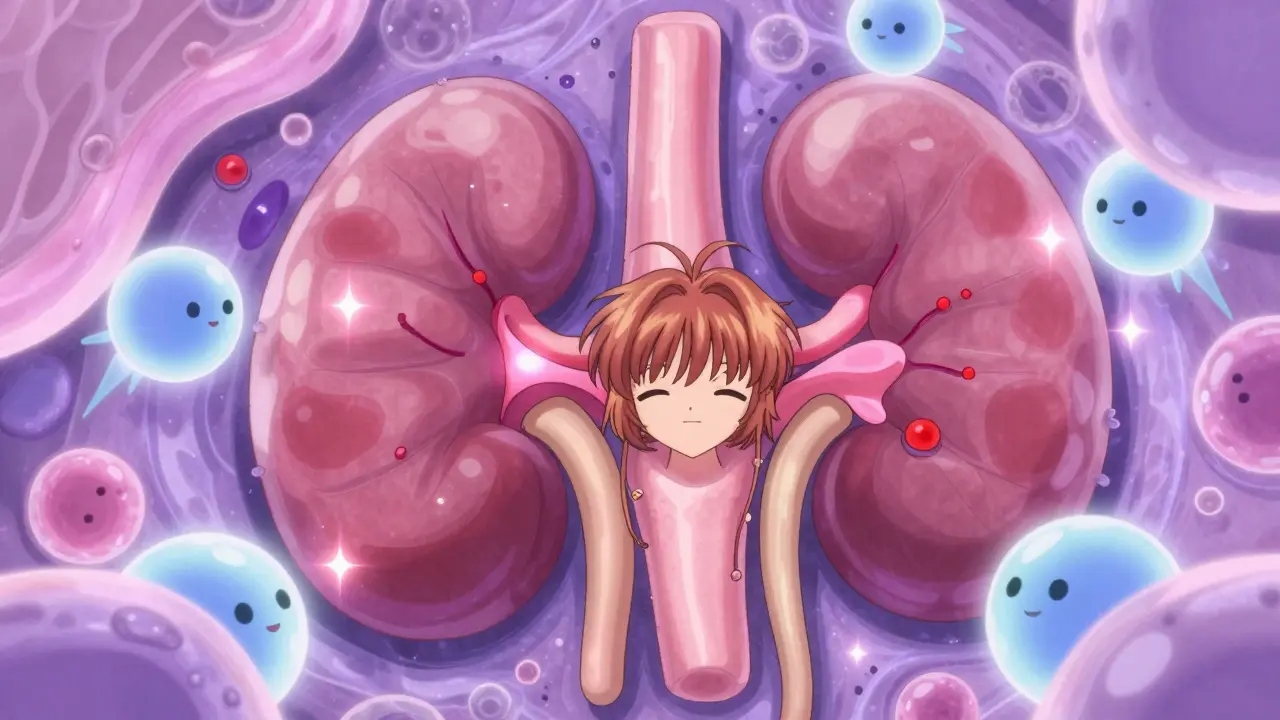
Your kidneys work quietly behind the scenes every day, filtering waste and balancing fluids. Sometimes, a routine pill meant to help another problem can trigger a silent attack on this vital system. This condition is called Acute Interstitial Nephritis, also known as AIN. It describes inflammation in the tissue around the kidney tubules, often sparked by a reaction to medication. While doctors know how to treat it, catching it early makes all the difference between a full recovery and lasting damage.
Understanding the Kidney Reaction
When you take certain medicines, your immune system might mistakenly identify them as threats. Instead of protecting you, it launches an attack on your own kidney tissue. This isn't like poisoning; it is an allergic-style hypersensitivity reaction happening deep inside the organ. Before modern diagnostics, this was hard to spot. In fact, the histopathological description dates back to 1898 when William Councilman examined autopsy specimens. Today, we know it accounts for roughly 5% to 15% of cases in patients presenting with acute renal failure. Most cases happen because of drugs, making it a preventable issue in many scenarios.
The core problem involves the renal tubulo-interstitium. Think of this as the support structure holding your kidney filters together. When immune cells flood this area, the filters swell and slow down. This leads to acute kidney injury. Without swift action, fluid builds up, toxins rise in the blood, and the body struggles to maintain balance. About half of those affected report decreased urine output, which is a major red flag often ignored by patients focused on other symptoms like a rash or stomach pain.
Identifying the Medication Triggers
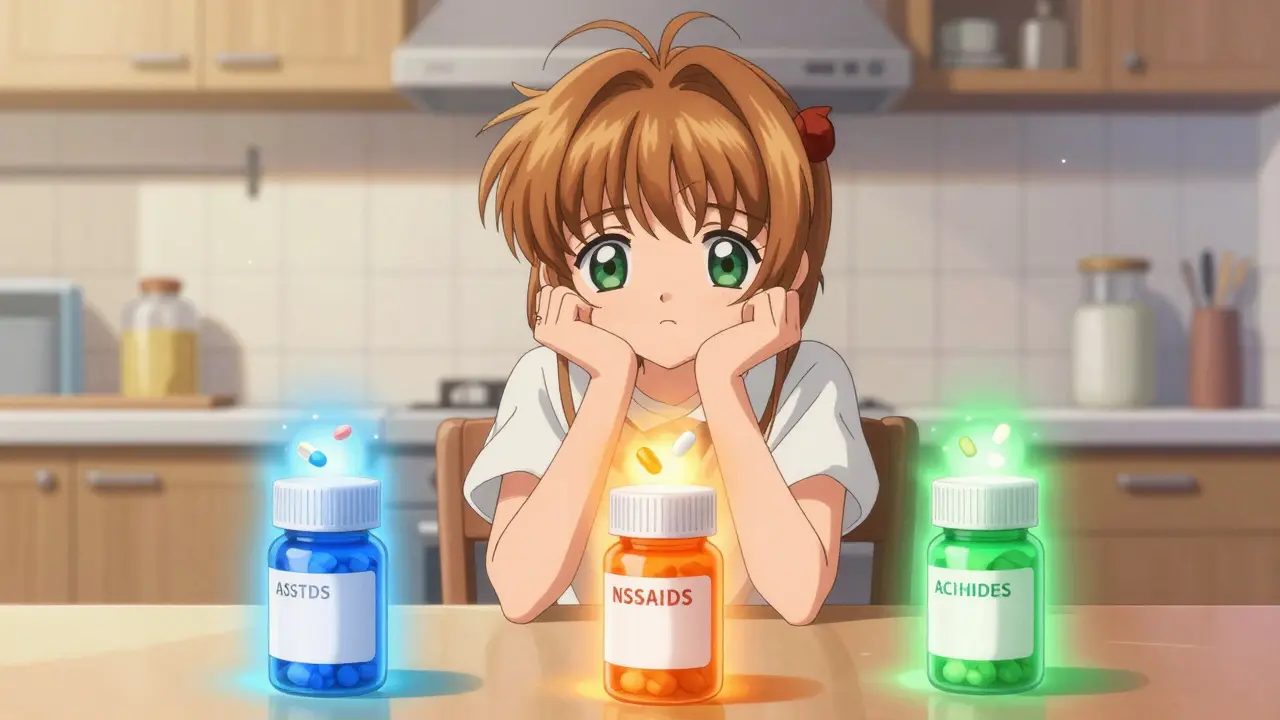
If you have been diagnosed with AIN, the first question is always "which drug caused this?" Identifying the culprit is critical because stopping the medicine is the only way to halt the injury. Over 250 distinct medications have been flagged as potential triggers, but a few groups dominate the statistics. Understanding these categories helps you communicate effectively with your healthcare provider.
Proton Pump Inhibitors (PPIs) are medicines used for acid reflux and heartburn. Drugs like omeprazole or pantoprazole sit near the top of the list now. Historically, antibiotics were the usual suspects, but usage patterns have shifted. PPIs are now the second most common trigger globally, causing an estimated 12 cases per 100,000 population annually. The risk rises significantly if you take them for more than six months. Unlike some other triggers, PPIs often show reduced severity initially but paradoxically have lower rates of complete renal recovery compared to antibiotic cases.
| Drug Class | Frequency | Typical Onset | Key Characteristics |
|---|---|---|---|
| NSAIDs | 44% | Months to Years | Often affects older patients, high protein levels |
| Antibiotics | 33% | Days to Weeks | Classic allergy signs like fever and rash |
| PPIs | Rising | Variable | Silent onset, lower recovery rate |
Another major group is NSAIDs, short for Non-Steroidal Anti-Inflammatory Drugs. You likely recognize aspirin, ibuprofen, or naproxen. These account for nearly 44% of drug-induced AIN cases. They tend to affect people over 50 who use them chronically for pain management. The reaction here is different from antibiotics; it takes longer to develop-often a median of 12 months. You might notice significant proteinuria, meaning excessive protein in your urine, sometimes reaching nephrotic range levels. Recovery from NSAID-induced injury is also less complete compared to other types.
Antibiotics remain a significant cause, representing about one-third of cases. Penicillins, cephalosporins, rifampin, and sulfonamides are common offenders. If your kidney issue started shortly after a course of infection-fighting pills, this is a prime suspect. The timeline is quicker, usually showing up within 10 days of starting the drug. You are more likely to see the classic signs of an allergic response here, such as a visible rash or swelling, which helps doctors pinpoint the cause faster.
Symptoms That Often Get Missed
One of the hardest things about this condition is that the warning signs are subtle. Many people expect their kidney to hurt, but kidney pain is rare in AIN unless complications arise. Instead, the symptoms mimic flu or a minor stomach bug. Malaise, fatigue, nausea, and arthralgia (joint pain) are very common. There is a famous clinical picture called the 'hypersensitivity triad': rash, fever, and eosinophilia (high white blood cell count).
However, do not wait for all three to appear. Studies show this full triad occurs in less than 10% of all cases. Rashes might show up in 15% to 50%, depending on the drug, but they aren't guaranteed. Fever is often low-grade and easy to dismiss. Eosinophiluria (eosinophils in urine) is frequently tested but has limited utility according to expert guidelines. Dr. David Jayne, Professor of Autoimmune Disease at University of Cambridge, emphasizes that early recognition is crucial because delays can lead to chronic kidney disease. If you notice a sudden drop in urine output or feel unexplained exhaustion after starting a new med, seek advice immediately.
How Doctors Confirm the Diagnosis
Blood tests usually show a spike in creatinine, signaling the kidneys are struggling. While this confirms kidney injury, it does not tell the doctor exactly why. Urinalysis might show white blood cells, but non-specific results are frustratingly common. This is why Kidney Biopsy remains the gold standard. It is invasive, yes, but it provides the definitive histology. During the procedure, a small sample of tissue is examined under a microscope to look for immune infiltrate, tubulitis, and edema.
You might wonder if imaging scans like an ultrasound can diagnose this. Generally, they cannot. The American Society of Nephrology guidelines state that a high index of clinical suspicion is mandatory given the non-specific presentation. Doctors need to rule out other causes first. Sometimes, autoimmune disorders like Sjogren syndrome or infections like cytomegalovirus can mimic these symptoms. Because of the overlap, confirming the exact cause helps determine the right treatment path. Without a biopsy, you might miss a treatable condition that could worsen permanently.
Treatment Strategies and Timing
The most important step in treatment is immediate discontinuation of the suspected agent. Guidelines specify removal should occur within 24 to 48 hours of suspicion. Just waiting to see if it gets better on its own is dangerous. In severe cases, particularly where eGFR drops below 30 mL/min/1.73m², adding Corticosteroids can speed up recovery. Prednisone is commonly used, with protocols suggesting doses of 0.5-1 mg/kg/day for 2 to 4 weeks followed by a taper over several weeks.
Not everyone needs steroids, and the evidence regarding benefits varies. Dr. Ronald J. Falk notes that while randomized trials haven't fully proven benefits, corticosteroids appear to improve outcomes when initiated early, especially in severe impairment. For the lucky ones, stopping the drug alone reverses the inflammation within days. For others, the damage is too advanced. Approximately 15% to 20% of patients require Dialysis. This temporary support cleans the blood until kidney function returns. Most patients only need dialysis for 2 to 6 weeks before their kidneys wake up.

Recovery Timelines and Long-Term Health
Everyone wants to know when they will feel normal. The timeline depends heavily on the drug involved. If an antibiotic caused the issue, median recovery time is about 14 days. For NSAIDs, it stretches to 28 days. PPIs are the slowest, taking around 35 days on average. Critical success factors include getting diagnosed within 7 days of symptom onset. This early window increases the likelihood of complete recovery by 35% compared to diagnosis after two weeks.
While 70% to 80% of patients achieve partial recovery, about 30% develop Chronic Kidney Disease stage 3 or higher within 12 months. NSAID-induced cases have the highest progression rate at 42%. This highlights why avoiding re-exposure is vital. If you have had AIN once, taking that same drug class again can cause a rapid, severe relapse. Patients often worry about lifestyle changes, but maintaining hydration and monitoring blood pressure becomes the new priority to protect remaining kidney function.
Frequently Asked Questions
Can Acute Interstitial Nephritis come back?
Yes, if you take the offending medication again, it can return quickly. Avoid the specific drug class entirely and inform all future doctors of this reaction.
Does AIN require lifelong dialysis?
For most people, dialysis is temporary. Only those who develop permanent scarring may need long-term support, though this is less common than acute cases suggest.
Are there over-the-counter drugs I should avoid?
You should use caution with NSAIDs like ibuprofen and naproxen, especially if you have pre-existing kidney concerns or are on multiple prescriptions.
How fast should my kidney function return?
Improvement often starts within 72 hours of stopping the drug. Full recovery varies from 2 weeks to 2 months depending on the specific medicine involved.
Is a kidney biopsy safe?
It carries small risks like bleeding, but experienced specialists perform it safely. The benefit of a correct diagnosis usually outweighs the minor procedural risks.
Sarah Klingenberg
March 27, 2026 AT 22:43It is fascinating how many people overlook the subtle signs until the damage is done
The timeline for recovery varies significantly depending on which medication triggered the initial immune response
We should all be more aware of our own body signals regarding hydration and output levels
Sometimes we just get too busy to notice the changes happening quietly inside our systems :)
walker texaxsranger
March 29, 2026 AT 19:44The mainstream narrative ignores the systemic failure inherent in modern pharmacological protocols
We see renal tubule damage occurring without clear immunological markers in standard panels
Big Pharma pushes broad spectrum antibiotics despite known idiosyncratic hypersensitivity risks
Patients ingest toxins daily while hoping for therapeutic windows that rarely materialize safely
Histopathological findings suggest chronic inflammation precedes acute presentation by months
Councilman described the lesions nearly two centuries ago yet guidelines remain static
Regulatory bodies fail to mandate comprehensive screening for interstitial susceptibility before prescription
Eosinophiluria tests lack sensitivity according to recent nephrology consensus statements
Biopsy remains the only definitive method despite invasive nature scaring patients away
Delayed intervention correlates strongly with progression to chronic kidney disease stage three
Steroid therapy offers marginal benefit in randomized trials without long term data support
Rechallenge protocols are ethically questionable given the severity of renal sequelae
Hydration maintenance is trivial advice when structural damage persists at the cellular level
Dialysis dependence often signals irreversible fibrosis rather than transient functional loss
True autonomy requires understanding that pharmaceutical interventions carry hidden immune costs
None of us are safe when the regulatory oversight is so clearly compromised by industry funding
Eva Maes
March 31, 2026 AT 19:23That perspective is delightfully cynical and misses the nuance entirely
Your interpretation lacks clinical context regarding modern diagnostic capabilities
Few doctors ignore biopsy results but many rely on empirical observation first
Spreading fear tactics does nothing to help patients manage their chronic conditions effectively
You seem obsessed with conspiracy theories instead of looking at patient outcomes
Monique Louise Hill
April 2, 2026 AT 15:58I think it is irresponsible for patients to take acid reflux meds for years without monitoring kidney function
People need to take better care of their own bodies before blaming doctors
Ignoring side effects is selfish and harms families who depend on you being healthy
Take control of your health journey instead of blindly following prescriptions 💊🚫🙄
Shawn Sauve
April 3, 2026 AT 16:03Health choices are personal and complex situations require professional guidance rather than moral judgments
We must approach medical discussions with empathy for those navigating difficult diagnoses
Second guessing medication decisions without knowing full history is unhelpful to the community
Everyone deserves support during their recovery process regardless of lifestyle choices :)
Rachael Hammond
April 3, 2026 AT 20:22the thing i wonder most is how we balance pain relief with long term health risks
maybe its not about perfect choices but just trying to live thier best lives
we shold all learn to listen to our bodies more intutively
it makes me think about the value of preventive care vs reactive treatments
Devon Riley
April 4, 2026 AT 19:49It sounds like you are really thinking deeply about the balance we face in modern medicine
Many people struggle with these exact trade offs daily in managing chronic issues
Your insight shows great compassion for the complexities patients navigate every day
Keep trusting yourself to make informed decisions moving forward ahead 😊💪
Kameron Hacker
April 5, 2026 AT 21:50Ignoring the histological evidence leads to preventable organ failure.
Tommy Nguyen
April 7, 2026 AT 20:33you are right but staying hopeful helps everyone cope better with the scary parts
we can always find new paths forward if we stay open minded
keep fighting for good health outcomes for everyone involved
Paul Vanderheiden
April 9, 2026 AT 05:14i want to remind everyone here that recovery is possible even when things look bleak
staying positive helps your mind focus on healing instead of worry
medical professionals are trained to guide you through these hard recovery timelines
just keep moving forward and remember that small steps lead to big wins eventually
you got this and the team is behind you cheering loudly
stay hydrated and keep communicating openly with your doctors about symptoms
hope springs eternal when we choose to believe in our own resilience
focus on what you can control like diet and exercise habits daily
every day is a fresh chance to do better for your long term wellness goals
let us lift each other up when the road gets steep or unclear