
Alcohol & Medication Safety Checker
Select a medication category below to view its interaction risk level with alcohol.
Opioids
Pain relievers (e.g., Oxycodone)Benzodiazepines
Anxiety meds (e.g., Xanax)Antibiotics
Infection treatment (e.g., Flagyl)NSAIDs
Anti-inflammatories (e.g., Ibuprofen)Acetaminophen
Pain/Fever (e.g., Tylenol)Blood Pressure Meds
Cardiovascular drugsSelect a medication type to see the risk analysis.
You grab a glass of wine after a long day, pop your prescription for anxiety or pain, and think nothing of it. It feels normal. It feels harmless. But inside your body, a chemical storm is brewing that could send you to the emergency room-or worse. Alcohol doesn’t just sit there while your medication does its job; it actively fights with it, changes how it works, and sometimes turns a standard dose into a toxic threat.
The numbers are staggering. According to the National Institute on Alcohol Abuse and Alcoholism (NIAAA), roughly 40% of adults took a medication in the past year that interacts negatively with alcohol. That means nearly half of us might be mixing substances without realizing we’re playing Russian roulette with our health. This isn’t about moralizing against drinking; it’s about understanding the brutal chemistry that happens when ethanol meets pharmaceuticals.
The Chemistry of Conflict: How Alcohol Messes With Meds
To understand why this mix is so dangerous, you have to look at what happens in your liver. Your liver is the body’s filtration plant, and it uses specific enzymes to break down both alcohol and medications. When you consume them together, they compete for attention. This competition leads to three main types of disasters: pharmacokinetic, pharmacodynamic, and direct toxicity.
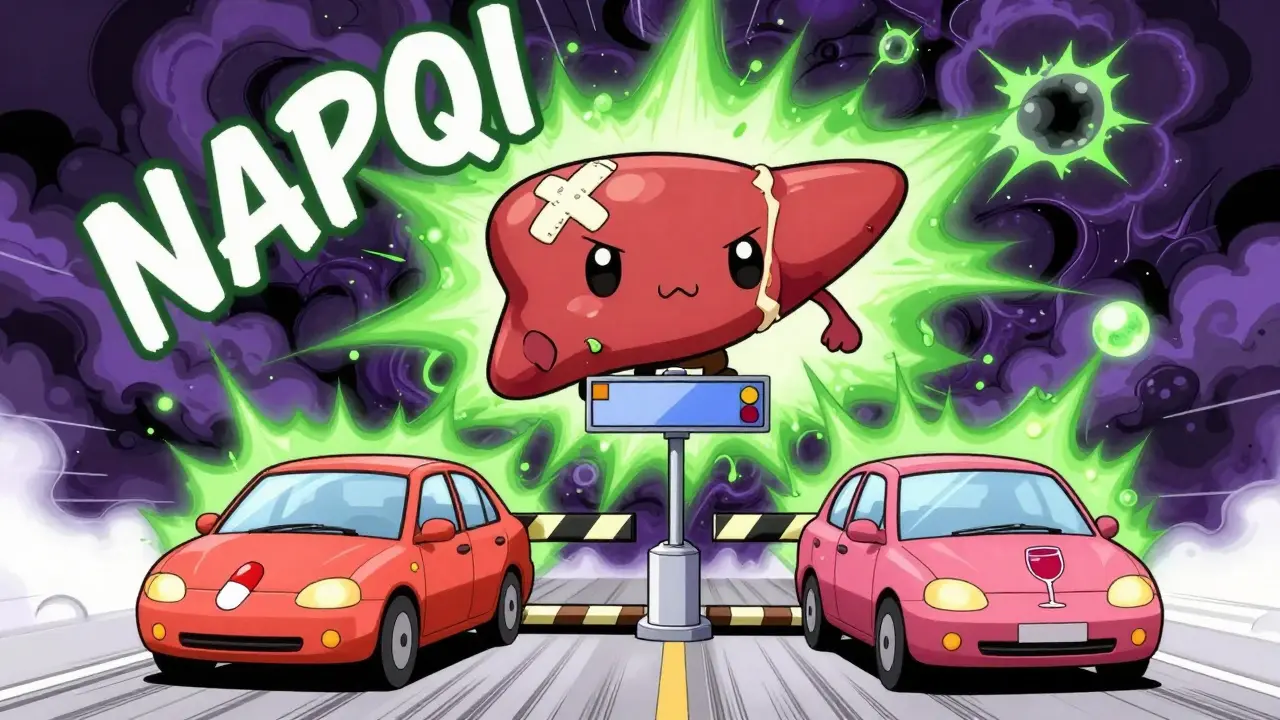
Pharmacokinetic interactions occur when alcohol changes how your body absorbs, distributes, metabolizes, or excretes a drug. Imagine two cars trying to exit a highway through one toll booth. One gets stuck, and the other speeds up unpredictably. In some cases, alcohol slows down the breakdown of a medication, causing it to build up to toxic levels in your blood. In others, it speeds up the process, rendering the drug useless before it can help you.
Pharmacodynamic interactions happen when alcohol and the drug hit the same systems in your body, amplifying each other’s effects. If a medication makes you drowsy and alcohol makes you drowsy, the result isn’t just twice as sleepy-it’s exponentially more sedated, potentially shutting down your breathing.
Then there is direct toxicity. Some drugs, when mixed with alcohol, create entirely new, harmful compounds. The most infamous example involves acetaminophen (Tylenol). When processed by the liver alongside alcohol, acetaminophen produces a toxic metabolite called NAPQI. This substance depletes your liver’s glutathione stores-the very thing that protects your liver cells from damage. The U.S. Food and Drug Administration (FDA) reports that acetaminophen overdose, often involving alcohol, accounts for approximately 56,000 emergency room visits and 458 deaths annually in the United States. You don’t need to take a massive overdose to trigger this; regular use with even moderate drinking can cause acute liver failure.
The Deadliest Combinations: What to Avoid Completely
Not all interactions are created equal. Some mixes are mildly inconvenient, causing a headache or nausea. Others are lethal. Knowing which category your medication falls into is a matter of life and death.
| Medication Class | Common Examples | Primary Risk | Severity Level |
|---|---|---|---|
| Opioids | Methadone, Oxycodone, Codeine | Respiratory depression, fatal overdose | Critical |
| Benzodiazepines | Alprazolam (Xanax), Diazepam (Valium) | Extreme sedation, memory loss, death | Critical |
| Antibiotics (Specific) | Metronidazole (Flagyl) | Disulfiram-like reaction (violent vomiting) | High |
| NSAIDs | Ibuprofen (Advil), Naproxen (Aleve) | Gastrointestinal bleeding, ulcers | Moderate to High |
| Acetaminophen | Tylenol | Acute liver failure | High |
Opioids and benzodiazepines are central nervous system (CNS) depressants. They slow down brain activity. Alcohol is also a CNS depressant. When you combine them, you aren’t just adding 1 + 1 = 2. You are creating a synergistic effect where the whole is far deadlier than the sum of its parts. A 2019 study in the Journal of Substance Abuse Treatment found that combining benzodiazepines with alcohol increases the risk of overdose by 24 times. The CDC reported that in 2020, 20% of opioid overdose deaths also involved alcohol. The Illinois Poison Center warns that this combination can depress respiratory function to the point where you simply stop breathing during sleep.
Even older formulations pose risks. The FDA removed hydromorphone extended-release capsules (Palladone) from the market in 2005 because studies showed that alcohol caused a "dose-dumping" effect. Instead of releasing slowly over hours, the drug dumped its entire contents into the bloodstream at once, spiking concentrations two- to sixfold and leading to fatal overdoses. Newer extended-release opioids still carry black box warnings about this exact mechanism.
For antibiotics, not all are bad news, but metronidazole is a major exception. It causes a disulfiram-like reaction. Your body cannot break down alcohol properly, leading to a buildup of acetaldehyde. The result is severe nausea, violent vomiting, flushing, rapid heartbeat, and shortness of breath. It is miserable and potentially dangerous. The Illinois Poison Center advises waiting at least 72 hours after finishing metronidazole before touching a drink.
Silent Threats: Pain Relievers and Stomach Damage
If you think only prescription drugs are risky, think again. Over-the-counter (OTC) pain relievers are among the most common culprits in hospital admissions related to alcohol interaction.
Non-steroidal anti-inflammatory drugs (NSAIDs) like ibuprofen and naproxen irritate the stomach lining. Alcohol also irritates the stomach lining and increases acid production. Together, they strip away the protective mucosal barrier. A 2017 meta-analysis published in the Journal of Clinical Gastroenterology found that combining NSAIDs with alcohol increases the risk of gastrointestinal bleeding by 3 to 5 times. You might not feel the bleed happening until you start vomiting blood or pass black, tarry stools-signs of significant internal hemorrhage.
Acetaminophen is different. It doesn’t hurt your stomach, but it destroys your liver if paired with alcohol. Many people take Tylenol for hangovers, thinking it will help the headache. This is a catastrophic error. Your liver is already working overtime to process the alcohol from the night before. Adding acetaminophen forces it to produce that toxic NAPQI metabolite while its defenses are low. Even therapeutic doses can become toxic in this context.
Who Is Most at Risk? Demographics and Vulnerabilities
Age, gender, and existing health conditions play a huge role in how severely these interactions affect you.
Older Adults (65+): As we age, our physiology changes. We have less body water, meaning alcohol becomes more concentrated in our blood faster. Our livers and kidneys work slower, clearing drugs and alcohol out less efficiently. The CDC’s 2022 National Health Interview Survey found that adults aged 65+ fill an average of 14 prescriptions annually. Shockingly, 82% of them reported having at least one potentially dangerous alcohol-medication combination. The American Geriatrics Society’s Beers Criteria lists 30 medications that should generally be avoided in older adults due to these risks, including benzodiazepines and first-generation antihistamines.
Women: Women typically have lower body water content and different enzyme levels (specifically alcohol dehydrogenase) compared to men. The NIAAA notes that women achieve higher blood alcohol concentrations than men after consuming equivalent amounts. This intensifies any medication interaction. If a man can handle a beer with his meds, a woman might face significantly amplified side effects from that same single drink.
Veterans and Those with Mental Health Disorders: The VA’s 2021 National Veteran Suicide Prevention Annual Report highlighted that 30% of veteran suicides involved alcohol and prescription medications. Individuals with co-occurring mental health and substance use disorders experience these dangerous interactions at rates 3.5 times higher than the general population, according to SAMHSA. This isn’t just about accidental mixing; it’s about the complex interplay between self-medication, chronic pain, and trauma.
Moderate Risks: Antihistamines, ADHD Meds, and Blood Pressure
Not every interaction ends in the ER, but many end in injury, embarrassment, or worsened health outcomes.
Antihistamines: Drugs like diphenhydramine (Benadryl) or loratadine (Claritin) can cause drowsiness. Alcohol intensifies this drowsiness and adds dizziness. GoodRx documents that this combination impairs coordination and judgment, making driving or operating machinery incredibly dangerous. You might not realize how impaired you are until you crash.
ADHD Medications: Stimulants like Adderall and Ritalin speed up your heart rate and blood pressure. Alcohol slows them down. Mixing them creates a confusing signal for your cardiovascular system. More importantly, the stimulant might mask the feeling of intoxication, leading you to drink much more than you normally would. This "wide-awake drunk" state increases the risk of alcohol poisoning because you lose the natural feedback loop that tells you to stop drinking.
Blood Pressure Medications: Alcohol can cause dangerous fluctuations in blood pressure. For some, it lowers it too much, leading to orthostatic hypotension-a sudden drop in blood pressure when standing up, causing fainting and falls. The US Pharmacist highlights that this puts patients, especially the elderly, at high risk for hip fractures and head injuries. For others, heavy drinking raises blood pressure, counteracting the medication’s purpose entirely.
How to Stay Safe: Practical Steps and Screening
Awareness is the first line of defense, but action saves lives. Here is how to navigate this safely.
- Read the Label: The FDA requires alcohol interaction warnings on approximately 100 prescription medications and 700 OTC drugs. Look for phrases like "avoid alcohol" or "may cause drowsiness."
- Ask Your Pharmacist: Pharmacists are the gatekeepers of drug safety. The American Pharmacists Association reports that 70% encounter patients daily who are unaware of these dangers. Don’t be shy. Ask: "Can I drink alcohol while taking this?" and "How long should I wait after my last dose?"
- Use the AUDIT-C Tool: Healthcare professionals use this screening tool to assess alcohol use patterns. If you’re prescribed high-risk meds, be honest about your drinking habits. Doctors can adjust dosages or suggest alternatives if they know you drink regularly.
- Wait It Out: For antibiotics like metronidazole, wait at least 72 hours after your last dose. For diabetes medications like sulfonylureas, avoid alcohol entirely due to a 300% increased risk of hypoglycemia (dangerously low blood sugar). If you’re on metformin, limit yourself to no more than one standard drink per day to avoid lactic acidosis.
- Know the Warning Signs: If you mix alcohol and meds and experience extreme drowsiness, confusion, slurred speech, difficulty breathing, or severe abdominal pain, seek emergency help immediately. Do not wait to see if it passes.
Electronic health records like Epic now include hard-stop alerts when providers prescribe high-risk medications to patients with documented alcohol use. This technology is saving lives, but it relies on accurate data. Ensure your medical records reflect your true alcohol consumption so your doctors can protect you.
Future Directions: Genetic Testing and Personalized Safety
Science is moving toward personalized medicine. Research published in Clinical Pharmacology & Therapeutics (2023) shows promise in pharmacogenetic testing. By analyzing variants in the CYP2E1 enzyme, doctors may soon predict individual susceptibility to alcohol-medication interactions. Some people might be identified as being 4.7 times greater risk for acetaminophen-alcohol hepatotoxicity based solely on their DNA. This could shift the conversation from general warnings to highly specific, genetic-based prohibitions.
Until then, the rule remains simple: when in doubt, leave the bottle alone. The potential cost of a mistake is far higher than the pleasure of a drink.
How long do I have to wait after taking antibiotics to drink alcohol?
It depends on the antibiotic. For most antibiotics, moderate drinking is generally safe, though it may worsen side effects like nausea. However, for metronidazole (Flagyl) and tinidazole, you must wait at least 72 hours after your last dose to avoid a severe disulfiram-like reaction involving violent vomiting and palpitations. Always check with your pharmacist for specific instructions regarding your prescription.
Can I drink alcohol with Tylenol (acetaminophen)?
You should exercise extreme caution. Combining alcohol and acetaminophen increases the risk of liver damage because both are processed by the liver and produce toxic byproducts. The FDA warns that this combination is a leading cause of acute liver failure. If you drink regularly, you should limit acetaminophen intake or avoid it entirely. Never take Tylenol to cure a hangover.
Is it safe to drink alcohol with Xanax or Valium?
No, it is extremely dangerous. Benzodiazepines like alprazolam (Xanax) and diazepam (Valium) are central nervous system depressants. Mixing them with alcohol creates a synergistic effect that can lead to severe respiratory depression, coma, and death. Studies show this combination increases overdose risk by 24 times. Medical professionals strongly advise avoiding alcohol completely while taking these medications.
Why are older adults at higher risk for alcohol-medication interactions?
Older adults experience age-related physiological changes, including reduced body water content, slower liver metabolism, and decreased kidney function. This means alcohol and medications stay in the system longer and reach higher concentrations. Additionally, seniors often take multiple prescriptions (polypharmacy), increasing the likelihood of complex interactions. The CDC notes that 82% of adults over 65 have at least one potentially dangerous combination.
What are the signs of a dangerous alcohol-medication interaction?
Warning signs include extreme drowsiness, confusion, slurred speech, difficulty breathing, irregular heartbeat, severe nausea or vomiting, abdominal pain, and fainting. If you or someone else experiences these symptoms after mixing alcohol and medication, seek emergency medical attention immediately. Do not assume the person will "sleep it off," as respiratory failure can occur silently.