Imagine picking up your prescription for a generic blood pressure medication, only to find out weeks later that the pills you’ve been taking might be contaminated or mislabeled. It’s a scenario that keeps healthcare professionals awake at night, but it’s also a reality driven by complex regulatory systems. When you see a news headline about a generic drug recalla formal removal of a pharmaceutical product from the market due to safety or quality concerns, you’re looking at the final step of a long chain of events involving manufacturing errors, regulatory oversight, and supply chain vulnerabilities.
The system isn’t broken, but it is under immense strain. In 2024 alone, the U.S. Food and Drug Administration (FDA) documented 347 drug recalls. Most of these-87%-were classified as Class I or Class II, meaning they posed significant health risks ranging from temporary illness to potential death. Understanding what triggers these actions is crucial for patients, pharmacists, and anyone relying on the stability of the pharmaceutical supply chain.
How Recalls Are Classified and Triggered
Not all recalls are created equal. The FDA categorizes them based on the severity of the risk to human health. This classification determines how quickly action is taken and who gets notified first.
- Class I: These are the most serious. There is a reasonable probability that using the product will cause serious adverse health consequences or death. An example occurred in July 2024 when ICU Medical recalled potassium chloride injections because labels listed 10 mEq instead of the actual 20 mEq, creating a lethal overdose risk.
- Class II: These involve temporary or medically reversible health effects with a low probability of serious harm. In April 2025, Glenmark Pharmaceuticals recalled nearly 40 generic medications due to Current Good Manufacturing Practice (CGMP) violations at an Indian facility.
- Class III: These are unlikely to cause health consequences but violate regulations, such as minor labeling errors or packaging defects.
The trigger for these actions is rarely a single mistake. Instead, it’s usually a measurable deviation from strict technical standards. For instance, sterility lapses account for 37% of all FDA recalls between 2012 and 2023. Other common triggers include particulate matter contamination (12%), labeling errors (9%), and active pharmaceutical ingredient (API) potency issues (7%).
| Trigger Type | Percentage of Recalls | Risk Level | Typical Cause |
|---|---|---|---|
| Sterility Lapses | 37% | High (Class I) | Failure in sterile manufacturing environments |
| Particulate Contamination | 12% | Medium-High (Class I/II) | Dust, glass shards, or foreign debris in injectables |
| Labeling Errors | 9% | Variable (Class I-III) | Incorrect dosage or drug name on packaging |
| API Potency Issues | 7% | Medium (Class II) | Active ingredient too weak or too strong |
The Global Supply Chain Vulnerability
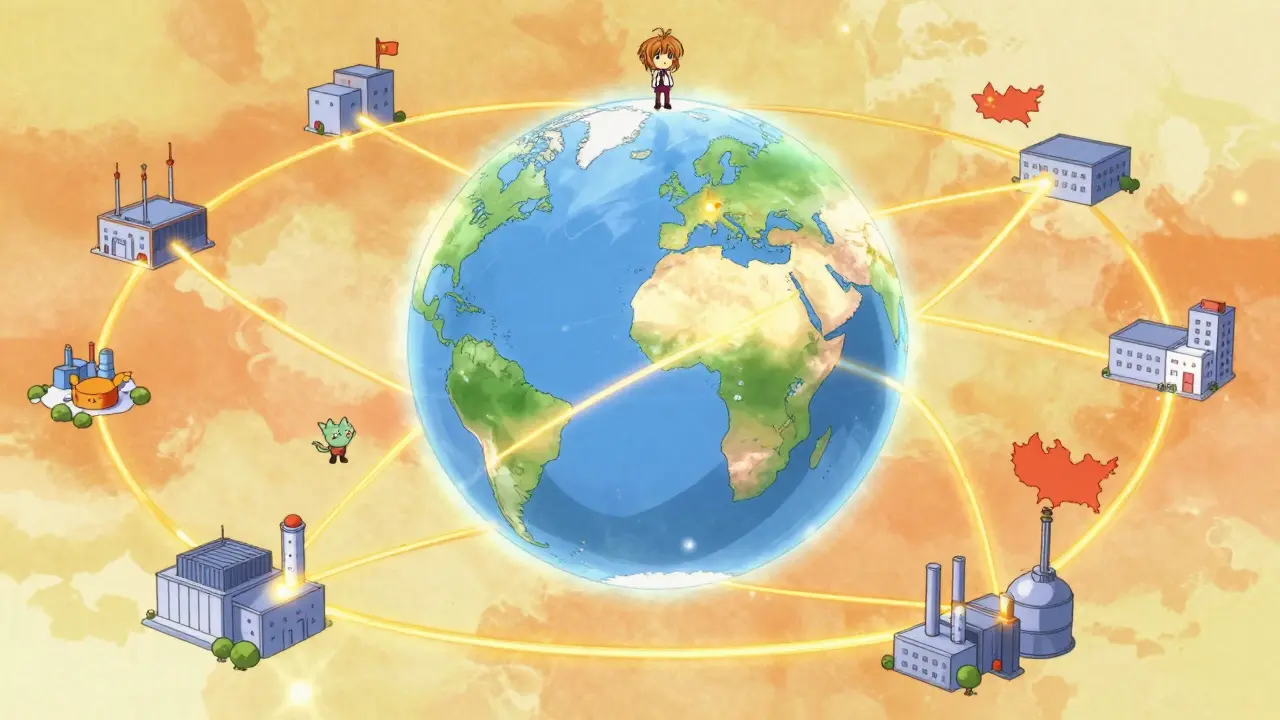
A major factor in recent recall trends is where drugs are made. Approximately 80% of the active pharmaceutical ingredients for the U.S. market come from facilities in India and China. While this globalization has lowered costs, it has created significant oversight gaps.
The disparity in inspection frequency is stark. Domestic facilities in the U.S. receive inspections every 1.8 years on average. In contrast, foreign facilities are inspected only once every 4.6 years. This gap was highlighted during the Glenmark Pharmaceuticals case, where the FDA had not inspected their Indian facilities for over four years before quality issues were exposed by journalists.
This reliance on self-reporting creates a dangerous blind spot. Dr. Peter Lurie, former FDA associate commissioner, testified before the Senate Health Committee in March 2025 that "the FDA's limited inspection capacity for foreign facilities creates a dangerous blind spot in our drug safety system." The agency’s budget covers only 17% of necessary foreign facility inspections, leaving millions of doses potentially unchecked.
What Happens When a Recall Is Issued?
When a recall is triggered, the process is technically voluntary, with manufacturers initiating 98% of actions rather than being mandated by the FDA. However, the speed and effectiveness of the response vary wildly.
For healthcare providers, the ASHP Guidance on Medication Recalls (2023) outlines specific protocols. Facilities must establish 'do not purchase' lists within procurement systems immediately. Large hospitals have responded by implementing automated systems, with 76% now using technology to block recalled products from re-entering inventory. Staff require approximately 40 hours of specialized training to manage these crises effectively.
For patients, the experience is often chaotic. AARP’s May 2025 survey found that 78% of respondents would stop taking a recalled medication immediately, despite FDA guidance to consult a physician first. This can lead to dangerous treatment interruptions. Furthermore, communication is a major pain point: 89% of patients surveyed by Consumer Reports found recall notices difficult to understand, and only 12% reported receiving direct notification from the manufacturer or regulator.
Regulatory Shifts and Future Outlook
The landscape is changing. The FDA’s April 2025 announcement of the Enhanced Oversight Initiative aims to increase inspections of high-risk foreign facilities from once every 4.6 years to annually. This targets the 12% of manufacturers responsible for 67% of recalls.
Technological advances are also playing a role. Blockchain implementations in pharmaceutical supply chains grew from 3% in 2023 to 18% in 2025. This technology could reduce recall identification time from days to hours by providing transparent, immutable records of every batch’s journey. Additionally, the FDA’s 2025-2027 Strategic Plan includes $47 million for AI-powered predictive analytics to identify potential quality issues before they trigger recalls.
However, challenges remain. The Government Accountability Office warned in May 2025 that without increased funding, the U.S. drug supply chain will remain vulnerable. Industry analysts project a 15-20% increase in Class I recalls through 2027 as enhanced detection capabilities uncover previously hidden issues. Yet, the overall quality of medications is expected to improve by 8-12% annually as stricter standards take effect.
Practical Steps for Patients and Providers
If you are concerned about your medications, here are concrete steps to stay safe:
- Check the FDA Database: Use the FDA’s searchable Enforcement Reports database. It is used by 63% of healthcare professionals to verify product status.
- Verify Lot Numbers: Keep track of the lot or batch number on your prescription bottles. This is the key identifier used in recall notices.
- Consult Your Pharmacist: Do not stop taking essential medications without medical advice. Pharmacists can quickly check if your specific batch is affected and provide alternatives.
- Report Side Effects: Participate in the FDA’s MedWatch program. While patient participation remains low at 3.2%, your report can help identify emerging safety trends.
Are generic drugs less safe than brand-name drugs?
No. Generic drugs must meet the same strict FDA standards as brand-name drugs regarding safety, efficacy, and quality. However, because generics are produced by many different manufacturers, some may have weaker quality control systems, leading to isolated recalls. The overall safety profile remains comparable when manufactured correctly.
Why do most drug recalls happen voluntarily?
The FDA primarily relies on manufacturers to initiate recalls because they have the fastest access to production data and distribution networks. This collaborative approach allows for quicker removal of products from shelves compared to a mandatory government-led process, which can be slower due to legal and bureaucratic hurdles.
What should I do if I discover I took a recalled medication?
First, do not panic. Check the recall notice to see if your specific lot number is listed. If it is, contact your pharmacist or doctor immediately for guidance on whether to switch medications or monitor for side effects. Do not stop taking life-saving medications like heart or diabetes drugs without professional advice.
How does the FDA inspect foreign drug manufacturers?
The FDA conducts periodic inspections of foreign facilities, though currently only once every 4.6 years on average. Inspectors review manufacturing practices, environmental controls, and quality assurance records. New initiatives aim to increase this frequency to annual inspections for high-risk facilities to close current oversight gaps.
Can I trust the FDA's recall notifications?
Yes, the FDA's enforcement reports are authoritative. However, notification delays can occur because the FDA relies on manufacturers to report issues promptly. For real-time updates, healthcare professionals use specialized databases, while patients should rely on their pharmacists for personalized alerts regarding their prescriptions.