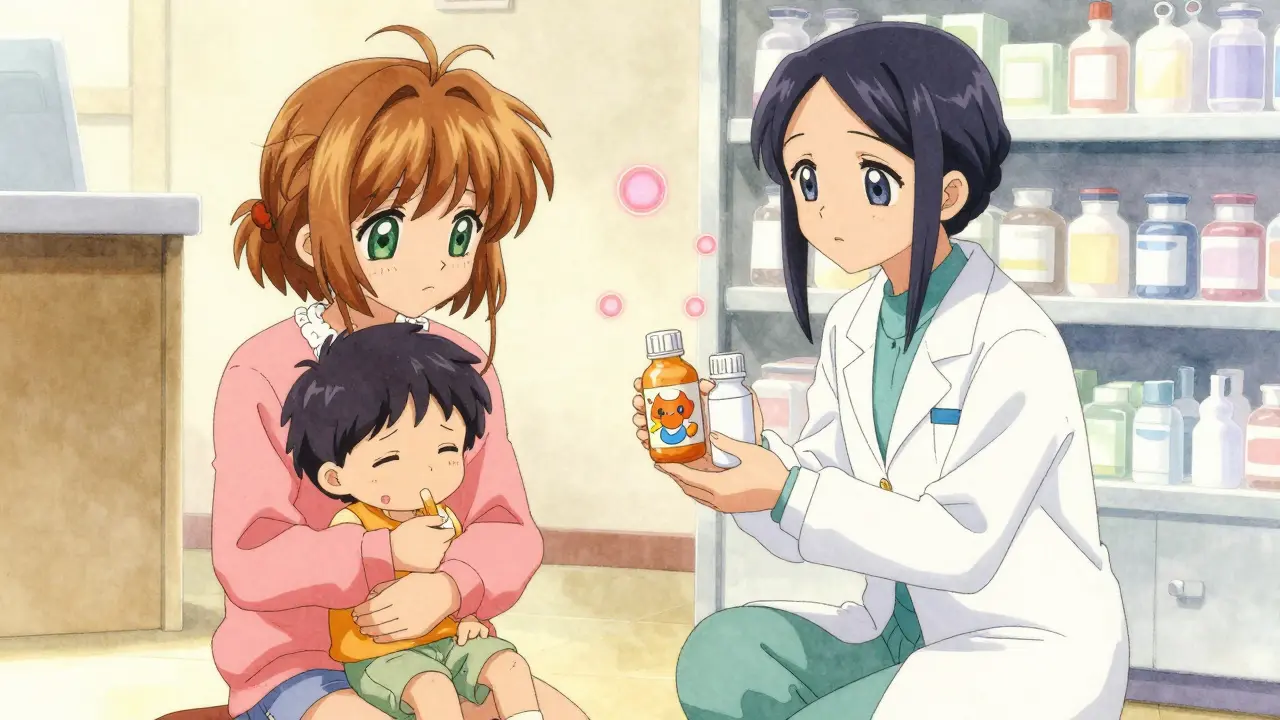
When a pharmacist hands you a pill that looks different from what you’ve been taking for years, it’s natural to wonder: Is this the same thing? For generic substitution, the answer is yes - legally and scientifically. But for a parent holding a bitter-tasting liquid for their toddler, or an 80-year-old who just had their blood pressure pill change shape for the third time this year, the question isn’t about chemistry. It’s about trust.
Why Generic Substitution Feels Different Than It Is
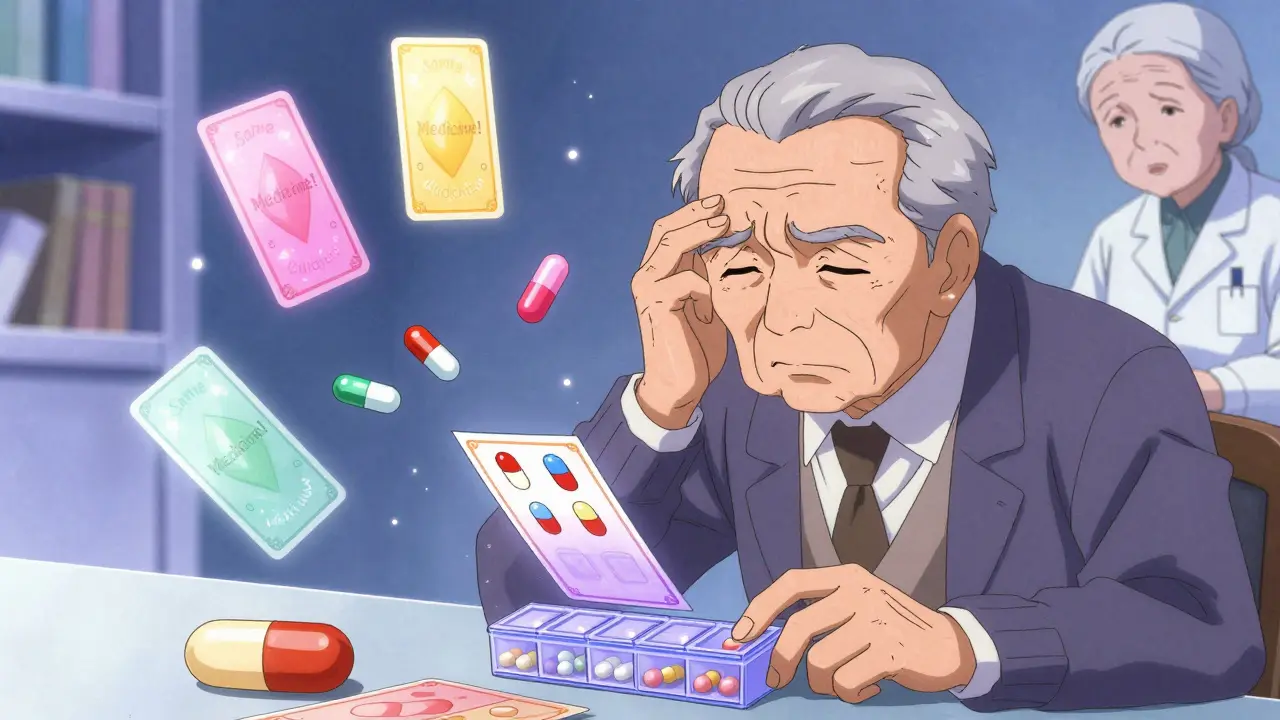
Generic drugs are required by the FDA to contain the same active ingredient, strength, and dosage form as the brand-name version. They must also prove they’re absorbed into the body at the same rate and to the same extent - within 80% to 125% of the brand. That’s the bioequivalence standard. It’s not a guess. It’s science. But here’s the gap: science doesn’t always match experience. For kids, many brand-name medications are designed as sweet, fruity suspensions or chewable tablets. Generics? Often they’re unflavored, bitter, or only available as tablets - even when the child can’t swallow pills. A 2019 FDA analysis found only 32% of generic pediatric formulations match the ease-of-use of brand versions. One parent on Reddit described how their 2-year-old refused the generic amoxicillin, even though it was the same medicine. The taste was so bad, they had to go back to the more expensive brand. For seniors, the issue isn’t taste - it’s memory, vision, and routine. The average senior takes 4.8 prescription drugs. When a pill changes color, shape, or size - even if it’s the same generic - confusion sets in. One 78-year-old told a focus group: “I stopped taking it because I thought it was a different medication.” That’s not irrational. It’s human.The Nocebo Effect: When Expectations Hurt
People don’t just notice differences - they interpret them. If you’re told a cheaper pill might not work as well, your brain starts looking for signs it’s true. That’s the nocebo effect - the opposite of placebo. You feel worse because you expect to. A 2021 study in Frontiers in Pharmacology found 58% of older adults reported new side effects after switching to a generic, even when the drug was clinically identical. The symptoms? Dizziness, nausea, fatigue. Nothing changed in the medicine. But the packaging did. The story changed. And so did their bodies’ response. This isn’t “in their head.” It’s real. The brain influences physiology. And when patients feel unheard, they stop taking the drug. A 2018 study in U.S. Pharmacist showed that simply saying “this is the same” led to 37% higher discontinuation rates.How to Talk to Parents About Generic Medications for Kids
Parents aren’t against saving money. But they’re terrified of making a mistake that hurts their child. A 2020 Pediatrics study found 62% of parents hesitated to accept generic substitutions for their children. Here’s what works:- Don’t say “it’s the same.” Say: “This generic version has the same active medicine as the brand, but it might taste different. We’ve seen some kids need a few tries to get used to it.”
- Check the formulation. Is it a liquid? Does it need refrigeration? Is it chewable? If the generic doesn’t match the child’s needs, don’t switch. There’s no point in saving $10 if the kid won’t take it.
- Use the teach-back method. Ask the parent: “Can you tell me why we’re switching and what to watch for?” If they say, “So it’s weaker?” - you’ve missed the mark.
- Offer alternatives. If the generic is too bitter, ask the pharmacist if there’s a different generic brand with better taste. Some are flavored differently.
How to Talk to Seniors About Generic Medications
Seniors don’t need jargon. They need clarity, consistency, and reassurance.- Start before the change. Don’t wait for them to notice a different-looking pill. Talk to them when the prescription is renewed. Say: “Your next refill might look different. That’s normal. The medicine inside is the same.”
- Use large print and pictures. Give them a simple card with the name of the drug, what it’s for, and a drawing of what the pill looks like now - and what it might look like next time.
- Involve caregivers. If a family member helps manage medications, include them. A 2022 study showed medication adherence improved by 32% when caregivers were part of the conversation.
- Address cost fears directly. Many seniors think “cheaper = weaker.” Say: “By law, this generic must work just like the brand. The FDA checks it. It’s not a copy. It’s a copy that’s been tested to work the same way.”
What Pharmacists and Doctors Should Stop Doing
Stop saying: “It’s the same thing.” Stop assuming the patient understands “bioequivalence” or “active ingredient.” Stop switching without warning. In 19 states, pharmacists can substitute without telling the patient. That’s dangerous for vulnerable populations. Stop treating communication as a formality. It’s a clinical intervention. Dr. Jerry Avorn from Harvard puts it plainly: “The way we talk about a generic substitution isn’t just education - it’s part of the treatment.”
What’s Changing in 2026
The FDA launched its Generic Drug Communications Initiative in 2023, requiring manufacturers to include plain-language warnings about formulation differences in patient materials. New guidelines from the American Society of Health-System Pharmacists (2024) now recommend:- Never substituting narrow therapeutic index drugs (like seizure meds or blood thinners) in seniors or kids without provider approval.
- Providing a printed “medication change card” for every substitution.
- Training pharmacists in pediatric and geriatric communication - not just as an add-on, but as core competency.
What Patients Can Do
If you’re a parent or a senior:- Ask: “Is this the same medicine I’ve been taking?”
- Ask: “Will this work the same way for my child’s age?”
- Ask: “Can I get the brand if the generic makes me feel worse?”
- Use free apps like Medisafe or MyTherapy - they let you scan pills and compare images to avoid confusion.
- Keep a written list of all your meds, including what they look like. Update it every refill.
The Bottom Line
Generic drugs save the U.S. healthcare system $373 billion a year. That matters. But savings shouldn’t come at the cost of safety or trust. For kids, the goal isn’t just to get the medicine into their system - it’s to get them to take it. For seniors, it’s not just about the pill - it’s about the routine, the memory, the fear of change. The best generic substitution isn’t the cheapest one. It’s the one the patient understands, trusts, and sticks with.Are generic drugs really as effective as brand-name drugs?
Yes - by law, generics must have the same active ingredient, strength, and dosage form as the brand. They must also prove they’re absorbed into the body at the same rate and to the same extent, within 80%-125% of the brand. The FDA requires this testing before approving any generic. But effectiveness also depends on whether the patient can take it - which is why formulation matters, especially for kids and seniors.
Why does my child’s generic medicine taste so bad?
Brand-name pediatric medicines are often designed with flavoring, color, and texture to make them palatable for children. Generics don’t always go through the same testing or development for taste. Many are unflavored or use cheaper additives that taste bitter. If your child refuses the generic, ask the pharmacist if another generic brand with better taste is available - or if a compounding pharmacy can make a flavored version.
My senior parent’s pill changed shape three times in six months. Is that normal?
It’s common, but not ideal. Different generic manufacturers make the same drug, and each uses different fillers, colors, and shapes. When pharmacies switch suppliers, the pill changes. This confuses seniors, especially those with memory issues. To prevent errors, ask the pharmacist to stick with one generic brand if possible, or give your parent a printed picture of what the pill should look like each time.
Should I always choose the generic to save money?
Not always. For some people - especially children or seniors with complex needs - the brand version may be safer or easier to take. If the generic causes side effects, refusal to take it, or confusion, the cost savings aren’t worth it. Talk to your doctor or pharmacist. You have the right to ask for the brand if the generic doesn’t work for you.
Can a pharmacist substitute a generic without telling me?
In 19 states, yes - pharmacists can switch to a generic without telling you. In 7 states and Washington, D.C., they must get your consent. In 31 states, they must notify you, but not necessarily get approval. Always ask: “Will this be a generic?” and “Can you tell me if it changes?” Your right to know varies by state, so check your local pharmacy laws.
Tom Swinton
January 7, 2026 AT 10:11Look, I get it-generics are cheaper, and yeah, the science says they’re the same. But let’s be real: if my 7-year-old spits out a pill because it tastes like burnt rubber, and the brand version is sweet and fruity, then no, it’s not the same. The body might absorb it, but the kid won’t take it. And if they don’t take it, the medicine might as well be a rock. I’ve been there. I’ve cried over spilled amoxicillin. The FDA can run all the bioequivalence tests they want, but they don’t live in my house. The real metric isn’t absorption rates-it’s whether the child swallows it without screaming. That’s the only number that matters.
Beth Templeton
January 8, 2026 AT 02:43It’s the same pill. Stop making it a drama.
Leonard Shit
January 8, 2026 AT 19:32lol so the FDA says it’s the same but the 80-year-old grandma thinks it’s a different drug because the pill is blue instead of green? yeah. that’s not a problem with the medicine. that’s a problem with the system. and also with the fact that we treat patients like dumb robots who should just obey labels. i’ve seen people stop taking blood pressure meds because the generic had a different imprint. they weren’t being irrational. they were just trying not to die. also, pharmacists should not be allowed to swap meds without telling anyone. that’s not pharmacy. that’s russian roulette with a pill bottle.
Lily Lilyy
January 10, 2026 AT 13:12Thank you for writing this. As a nurse who works with elderly patients, I see this every single day. One woman told me she stopped her statin because the pill looked like a candy. She said, ‘I don’t take candy for my heart.’ We gave her a picture card with the pill, the name, and what it does. She started taking it again. Simple. Human. Effective. We don’t need fancy jargon-we need patience and pictures.
Tiffany Adjei - Opong
January 10, 2026 AT 22:24Oh please. The nocebo effect is just people being lazy. If they can’t handle a pill changing color, maybe they shouldn’t be on meds. Also, generics are tested way more than people think. If you can’t tell the difference between a blue oval and a white capsule, that’s your problem, not the system’s. And yes, I’ve been on both. I felt zero difference. You’re all just scared of saving money.
Gabrielle Panchev
January 11, 2026 AT 07:39Wait-so you’re telling me that a parent would pay $50 extra for a liquid that doesn’t taste like battery acid, and an elderly person would rather risk a stroke because they ‘think’ the pill changed? This isn’t about science. This is about capitalism forcing people to choose between dignity and affordability. We’ve turned healthcare into a vending machine. You want the good version? Pay more. You want the cheap version? Good luck swallowing it. And don’t even get me started on how pharmacists are pressured to swap without consent. This isn’t innovation. It’s exploitation dressed up as efficiency.
Ryan Barr
January 11, 2026 AT 11:47Emotional anecdotes ≠ evidence. Bioequivalence is statistically sound. The rest is placebo-driven sentimentality.
Indra Triawan
January 11, 2026 AT 23:39It’s not about the pill. It’s about the fear of losing control. We are all just temporary vessels of chemicals, and when the chemical changes form, the soul panics. The body remembers the shape. The mind remembers the ritual. To change the pill is to change the covenant between patient and healer. And when that covenant breaks, the medicine fails-even if the molecule is identical.
Joann Absi
January 13, 2026 AT 16:40AMERICA IS BEING POISONED BY CORPORATE GREED!! 🇺🇸💊😭 The FDA is in the pocket of Big Pharma and Big Pharmacy! They let generics look like candy to kids and like pills from a foreign prison to seniors! I’ve seen grandmas cry because their pill turned from yellow to purple! This is not healthcare-this is a dystopian nightmare! #SaveOurPills #GenericGreed #MyPillMyChoice
Venkataramanan Viswanathan
January 15, 2026 AT 06:40In India, we use generics daily. No one complains about color or shape. We trust the doctor. We trust the science. If the medicine works, it works. Why is the West making this into a psychological drama? The pill is the same. The outcome is the same. The cost is not. Let’s fix the cost, not the color.