
What Happens During an Anaphylactic Reaction
Anaphylaxis isn’t just a bad allergy. It’s a full-body emergency that can kill in minutes. Your body goes into overdrive - blood pressure drops, airways swell, and your heart struggles to pump. Skin breaks out in hives, your throat tightens, and you might feel dizzy, nauseous, or like you’re going to pass out. Without epinephrine, this can turn fatal. The first 5 to 15 minutes matter more than anything else. Delaying treatment to grab an antihistamine or waiting to see if it gets worse? That’s when deaths happen.
Why Epinephrine Is the Only Thing That Works
Antihistamines like Benadryl don’t stop anaphylaxis. They help with itching or a runny nose, but they won’t open your airway or raise your blood pressure. Only epinephrine does that. It tightens blood vessels to keep you from going into shock, relaxes the muscles around your lungs so you can breathe, and boosts your heart’s ability to pump. It’s not perfect - you might feel your heart racing, your hands shaking, or panic set in - but those side effects last less than 30 minutes. The alternative? Brain damage, cardiac arrest, or death.
Which Auto-Injector Should You Use?
There are four main devices on the market, and they’re not all the same. EpiPen is the most common - you’ve probably seen it. It’s simple: remove the blue safety cap, jab it into your outer thigh, hold for 3 seconds. But it’s also the most expensive, costing nearly $700 without insurance. Auvi-Q talks you through each step. If you panic during a reaction, the voice instructions can guide you when your mind goes blank. It’s pricier, but many insurance plans cover it fully. Adrenaclick is cheaper - under $200 - but you have to pull off two caps and press a button manually. That extra step can cost precious seconds. And then there’s Neffy, the new nasal spray. No needle. Just spray it up each nostril. It works for most people, but if you’re congested or don’t use it right, it won’t deliver the full dose. Most people still use EpiPen. But if you’re scared of needles, or you’re training someone who freezes under stress, Auvi-Q or Neffy might be better choices.
Step-by-Step: How to Use Your Auto-Injector
- Recognize the signs. Hives, swelling of lips or tongue, trouble breathing, wheezing, dizziness, vomiting, or feeling like you’re going to pass out - these aren’t "maybe" symptoms. If you have even two, act now.
- Remove the safety cap. For EpiPen and Adrenaclick, that’s the blue cap. For Auvi-Q, it’s the red end. Don’t hesitate. Don’t look for a trash can. Don’t call someone first. Just pull it off.
- Place it against your outer thigh. You can inject through clothing - jeans, leggings, even thick pants. No need to strip down. The needle is strong enough. Aim for the middle of the thigh, halfway between your hip and knee. Don’t inject into your buttocks, stomach, or fingers. That’s how people miss the muscle and get ineffective doses.
- Push hard until you hear a click. This isn’t a light tap. You need to press firmly until the device activates. Hold it there for 3 full seconds. Don’t rush. Don’t pull it out early. The device needs that time to deliver the full dose.
- Massage the area for 10 seconds. After you pull it out, rub the injection site gently. This helps the medicine spread through the muscle faster.
- Call 911 immediately. Even if you feel better, you’re not out of danger. Anaphylaxis can come back - sometimes worse - hours later. Paramedics need to monitor you and have more epinephrine ready if needed.

Common Mistakes That Cost Lives
Most people who die from anaphylaxis didn’t get epinephrine fast enough. And most of the time, it’s not because they didn’t have the device - it’s because they used it wrong. Here’s what goes wrong:
- Waiting too long. People think, "I’ll wait to see if it gets worse." It won’t. It’ll get worse faster.
- Forgetting the safety cap. One study found 58% of school nurses missed removing the blue cap during drills. That means the device doesn’t activate.
- Injecting in the wrong spot. Injecting into the belly or arm instead of the thigh means the medicine doesn’t get absorbed fast enough.
- Not holding it long enough. Most people pull it out after 1 or 2 seconds. You need 3.
- Not calling 911. Epinephrine buys you time. It doesn’t cure you. You still need a hospital.
Training and Practice Matter
You wouldn’t drive a car without practice. Why treat your life-saving device any differently? Experts say you need at least 3 practice sessions with a trainer device - the kind that doesn’t have medicine - to get it right. Practice with your family. Do it in the shower. Do it while watching TV. Make it automatic. Schools, workplaces, and daycares should have training drills. If you’re responsible for someone with allergies, practice with them every few months. Don’t wait until there’s a crisis.
Storage and Expiration
Keep your auto-injector at room temperature - between 59°F and 86°F. Don’t leave it in the car in summer or in the freezer. Heat and cold can ruin the medicine. Check the expiration date every time you get a refill. Most devices expire after 18 months. Replace them on time. Even if it looks fine, the epinephrine inside can break down. A 2022 study showed that expired devices delivered less than half the needed dose in 27% of cases. That’s not a risk you can take.
What If You Need a Second Dose?
One dose isn’t always enough. If symptoms don’t improve after 5 to 10 minutes - or if they come back - give a second dose. Yes, that’s right. Use your second auto-injector. Don’t wait. Don’t hope. Don’t ask someone else. If you have two, use the second one. Emergency responders expect this. They’re trained to handle it. And if you’re alone, call 911, then give the second shot. Your life depends on it.
What About Kids?
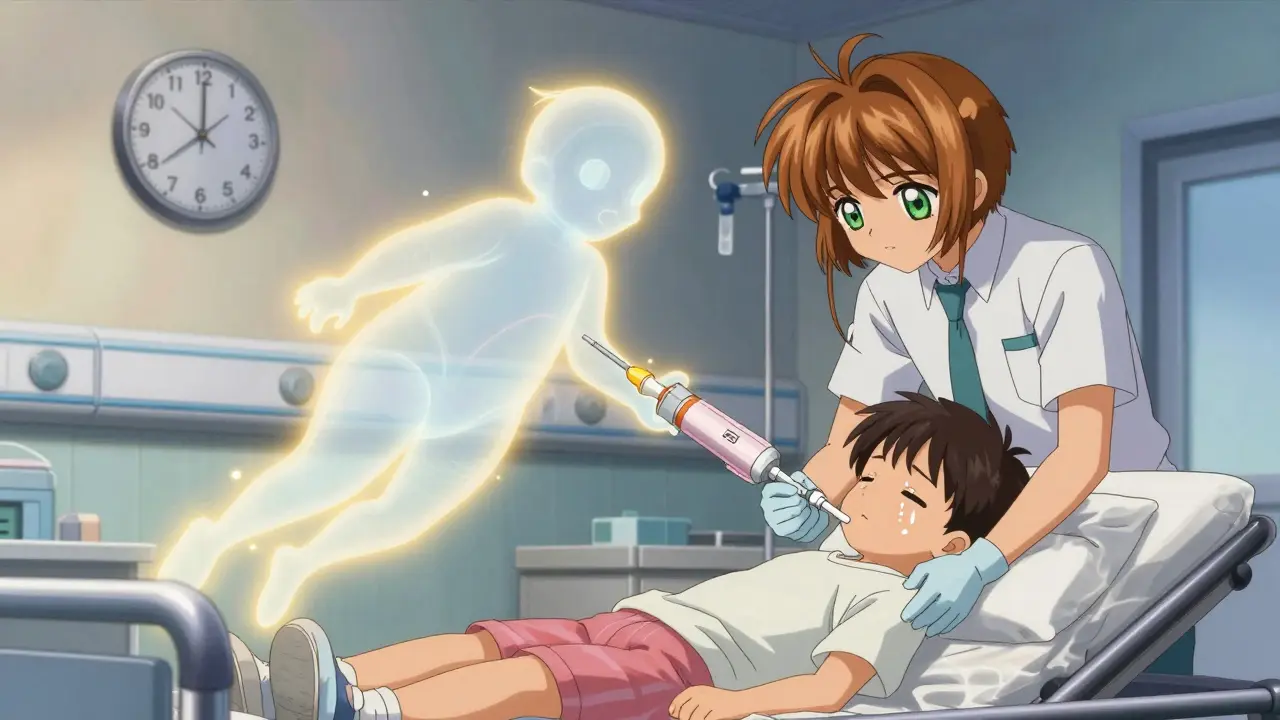
Children need the same treatment - just with the right dose. Kids under 66 pounds get the 0.15mg version. The technique is the same: outer thigh, hard push, hold for 3 seconds. But here’s the key: hold their leg still. Don’t let them kick or move. If you’re holding them, make sure you’re not injecting into your own hand. Use your body weight to press down. Practice on a stuffed animal. Make it routine. And teach older kids how to use it themselves. They might be the only ones who can act if they’re alone at school or with friends.
What Comes After the Injection?
After you use the device, lie down with your legs up if you can. If you’re dizzy, sitting with your head between your knees is okay. Don’t stand up. Walking around increases the risk of fainting or cardiac arrest. Wait for paramedics. Even if you feel fine, you’re not safe yet. Biphasic reactions - where symptoms return hours later - happen in up to 20% of cases. Hospitals have IV epinephrine, steroids, and oxygen ready. You need all of it. Don’t refuse transport. Don’t say "I’m fine." You’re not.
Real Stories, Real Consequences
One mother on Reddit described how her daughter went into anaphylaxis after eating a cookie with hidden peanuts. She fumbled with her EpiPen, forgot to remove the cap, and panicked. By the time she got it right, her daughter’s lips were blue. The ambulance took 12 minutes. The child survived, but barely. Another father used his Auvi-Q during his son’s reaction at a baseball game. The voice said, "Press firmly against the thigh. Hold for three seconds." He didn’t think - he just followed. His son breathed again within 90 seconds. The difference? Training. And a device that talked him through it.
Final Reminder: Act Fast, Act Bold
Anaphylaxis doesn’t wait. It doesn’t care if you’re scared of needles, if the device is expensive, or if you think "maybe it’s just a rash." If you suspect anaphylaxis, give epinephrine. Now. Then call 911. Then give a second dose if needed. Then go to the hospital. There’s no such thing as overreacting when it comes to this. The side effects of epinephrine are temporary. The side effects of not using it? Permanent - or fatal. Keep your device with you. Train everyone around you. Practice often. And never, ever wait for someone else to act. Your life - or someone else’s - depends on you being ready.
Ed Mackey
February 4, 2026 AT 02:54Also, don’t store it in your car. I learned that the hard way when mine turned to syrup in July.
Justin Fauth
February 4, 2026 AT 23:25Meenal Khurana
February 6, 2026 AT 06:03Joy Johnston
February 7, 2026 AT 09:12Sherman Lee
February 9, 2026 AT 07:11Zachary French
February 10, 2026 AT 13:01Daz Leonheart
February 12, 2026 AT 10:53Coy Huffman
February 14, 2026 AT 09:13And yeah - the shaking? That’s your body saying, "Thank you. I’m still here."
Amit Jain
February 15, 2026 AT 11:35Keith Harris
February 15, 2026 AT 19:02Kunal Kaushik
February 16, 2026 AT 05:35She’s 22 now. Plays guitar. Loves sushi. Still carries two. I still check her bag every time she leaves the house. ❤️
Mandy Vodak-Marotta
February 17, 2026 AT 13:03Nathan King
February 19, 2026 AT 04:42Harriot Rockey
February 21, 2026 AT 04:22