
Milk Thistle Drug Interaction Checker
How This Tool Works
Based on scientific research, this tool identifies potential interactions between milk thistle and your medications. It uses information about how milk thistle affects liver enzymes (CYP3A4, CYP2C9, CYP2D6) that process over 70% of prescription drugs. Results are based on the article's content and show risk levels, potential effects, and recommendations.
Important: This tool is for informational purposes only. Always consult your doctor before combining milk thistle with prescription medications.
Many people take milk thistle to support liver health, especially if they have fatty liver disease, drink alcohol regularly, or are on long-term medications. But what happens when you combine it with prescription drugs that your liver has to process? The answer isn’t simple. Milk thistle doesn’t just sit quietly in your system-it actively talks to the enzymes that break down your medications. And sometimes, that conversation changes the outcome.
What Exactly Is Milk Thistle Doing in Your Liver?
Milk thistle’s main active ingredient is silymarin, a mix of plant compounds including silybin, silychristin, and silydianin. It’s been used for over 2,000 years, but modern science started taking it seriously in the 1960s. Today, most supplements contain 70-80% silymarin, with typical doses ranging from 140 mg to 420 mg per day. That’s the range studied in nearly 30 clinical trials.
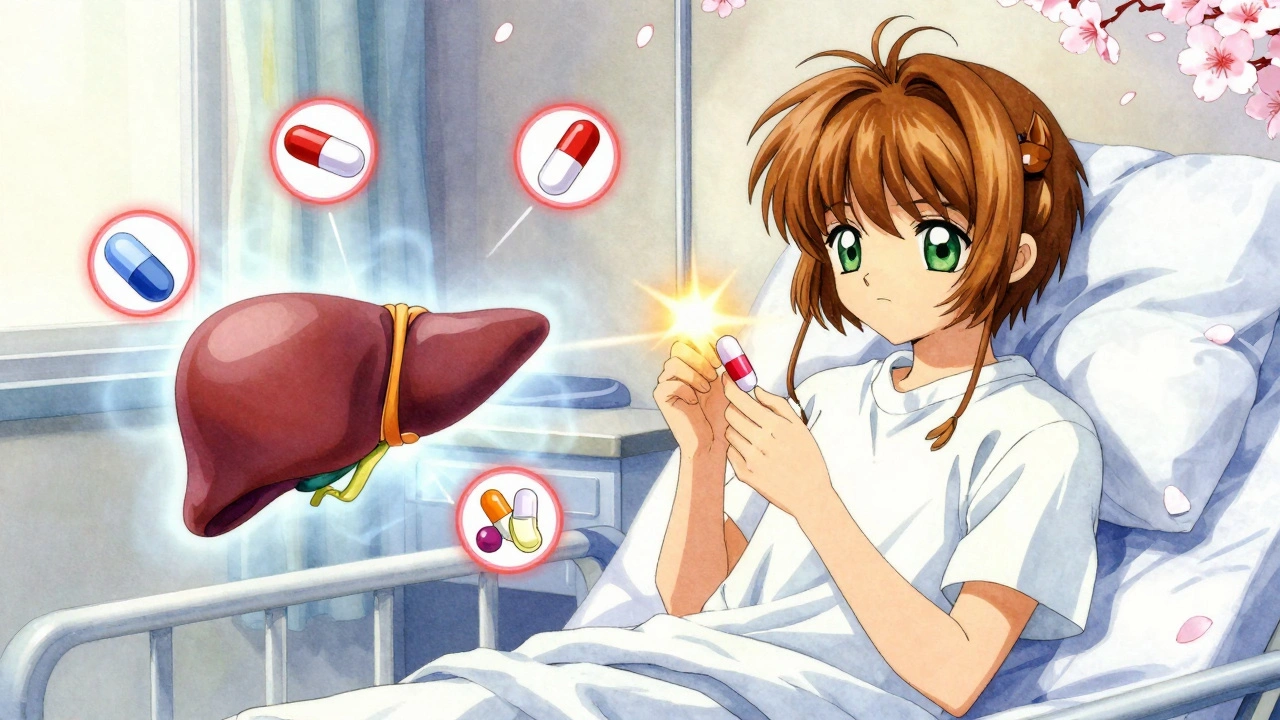
Its reputation comes from protecting liver cells and reducing inflammation. But here’s the twist: silymarin also interacts with the same liver enzymes-called cytochrome P450 (CYP)-that handle over 70% of all prescription drugs. These enzymes act like molecular scissors, cutting drugs into pieces so your body can get rid of them. If milk thistle changes how fast those scissors work, your drug levels can go up or down.
Which Drugs Are at Risk?
Not all drugs are affected the same way. The big three enzymes involved are CYP3A4, CYP2C9, and CYP2D6. Here’s what that means in real terms:
- CYP2C9: This enzyme processes warfarin (a blood thinner), phenytoin (an anti-seizure drug), and some NSAIDs like ibuprofen. Studies show milk thistle can inhibit CYP2C9 by 15-23% in lab settings. That means these drugs stick around longer, increasing the risk of bleeding or toxicity.
- CYP3A4: This one handles statins (like atorvastatin), some blood pressure meds, immunosuppressants like cyclosporine, and even certain cancer drugs. Results here are mixed. One study found no meaningful change in drug levels after two weeks of milk thistle. Another showed slight inhibition. The inconsistency makes it hard to give a blanket warning.
- CYP2D6: Involved in metabolizing antidepressants, beta-blockers, and opioids. Data is limited, but there’s enough concern that experts recommend caution, especially with drugs like codeine or fluoxetine.
The real danger isn’t just one drug-it’s when you’re on multiple medications. A person taking warfarin, a statin, and a blood pressure pill all at once could see unpredictable changes in how each one works.
Why the Confusion? It’s Not Always What You Think
Here’s where things get messy: milk thistle doesn’t act the same way every time. In some cases, it blocks enzymes. In others, it boosts them. And timing matters.
A 2020 study found that after just a few days of taking milk thistle, CYP2C9 activity dropped by nearly 18%. But after four weeks? The enzyme started working faster-by over 12%. That’s called biphasic behavior. Your body adapts. What’s safe one month might become risky the next.
And then there’s bioavailability. Silybin, the most powerful part of silymarin, is poorly absorbed. Only 20-50% of what you swallow actually gets into your bloodstream. That’s why two people taking the same dose can have completely different effects. Genetics, gut health, liver function, and even what you ate with your pill all play a role.
Real People, Real Stories
Science gives us averages. Real life gives us surprises.
On Reddit, dozens of users reported sudden spikes in their INR levels (a measure of blood clotting) after starting milk thistle while on warfarin. Some had to reduce their warfarin dose by 20-35%. Others saw no change at all.
On Amazon, only 2% of 1,200+ reviews mentioned drug interactions. Most people just felt better. But those 2%? They’re the ones who almost ended up in the ER.
A 58-year-old man with hepatitis C took 420 mg of milk thistle daily alongside his antiviral treatment-and had no issues. That’s consistent with research showing minimal interaction with direct-acting antivirals. But another person, taking the same dose, ended up with bruising and nosebleeds because their warfarin level climbed too high.
The FDA has received 47 reports of possible milk thistle-drug interactions between 2018 and 2023. Only nine were confirmed. That doesn’t mean the others didn’t happen-it means proving causation is hard when people take multiple supplements and medications.
How Does It Compare to Other Liver Supplements?
Let’s put milk thistle in context.
- N-acetylcysteine (NAC): Great for detox support and acetaminophen overdose. But it doesn’t touch CYP enzymes. Predictable. Safe with meds.
- Artichoke extract: Also inhibits CYP2C9, but more consistently. Less variable than milk thistle.
- Ursodeoxycholic acid: A pharmaceutical liver drug. More effective for certain conditions, but has higher side effect rates-nearly 7 times more than milk thistle.
Milk thistle wins on safety. Across 3,846 participants in clinical trials, only 1.2% reported mild side effects-mostly bloating or diarrhea. Compare that to pharmaceuticals, where side effects hit 8.7%. But safety doesn’t mean it’s risk-free when mixed with meds.
What Should You Do?
Here’s the practical guide:
- If you’re on warfarin, phenytoin, or any blood thinner: Don’t start milk thistle without talking to your doctor. Get your INR or drug levels checked before and 7-14 days after starting.
- If you’re on statins, immunosuppressants, or antidepressants: Watch for new side effects-muscle pain, dizziness, unusual fatigue. These could signal a drug buildup.
- Don’t assume ‘natural’ means safe: Supplements aren’t tested for interactions like prescription drugs are. There’s no FDA-mandated warning label.
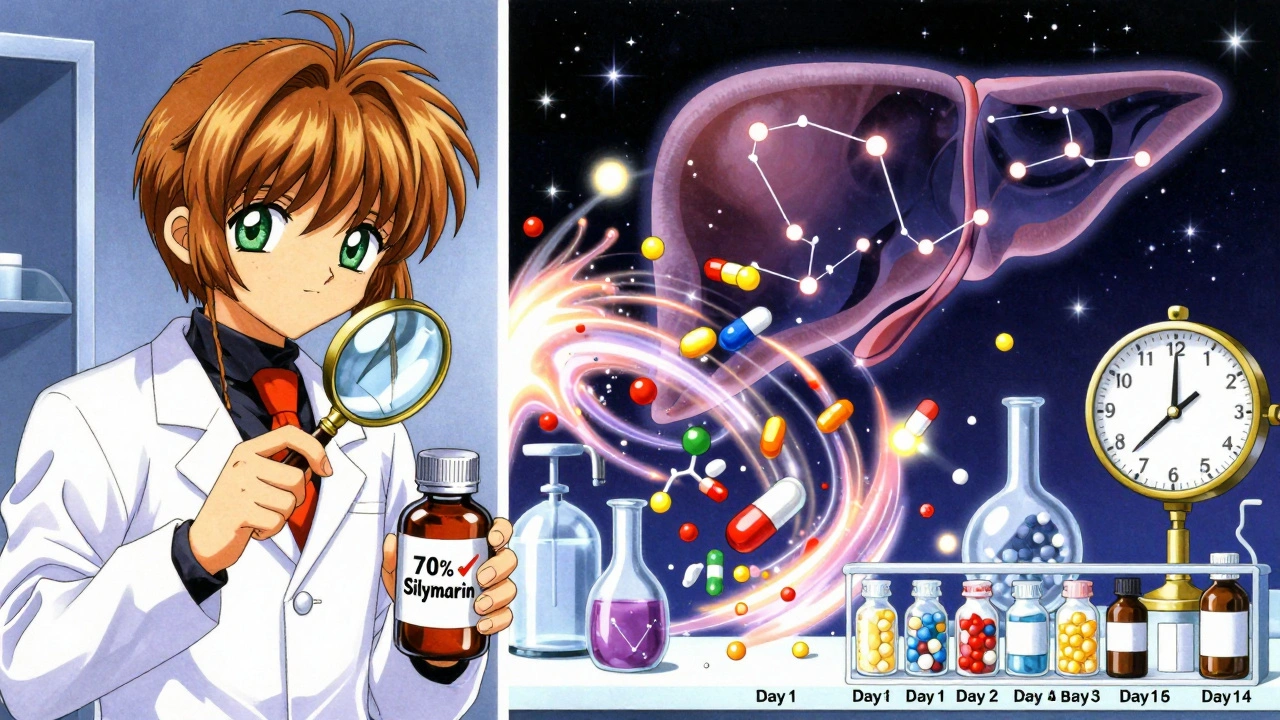
- Use standardized extracts: Look for products labeled 70-80% silymarin. Whole herb powders vary wildly in potency.
- Give it time: If you’re already taking milk thistle and start a new drug, wait at least two weeks before assuming everything’s fine. Enzyme induction can take 7-10 days to kick in.
And if you’re a patient? Tell your doctor you’re taking it-even if they don’t ask. Only 28% of U.S. doctors feel confident discussing milk thistle interactions, but 64% of patients bring it up. That gap needs closing.
What’s Next?
Scientists are working on better versions. New formulations like silybin bound to phosphatidylcholine are being tested to improve absorption and reduce enzyme interference. Some companies are even exploring genetic testing to predict who’s at risk.
But right now, the safest approach is simple: know what you’re taking, know what you’re on, and don’t guess.
For most people, milk thistle is harmless. But for those on critical medications, it’s not just a supplement-it’s a variable in a life-or-death equation. Treat it like one.
Can milk thistle raise my liver enzymes?
Yes, but it’s rare. In about 13.8% of clinical studies, some participants saw mild increases in liver enzymes after taking milk thistle. This doesn’t mean it damaged the liver-it might mean the body was adjusting. However, if you notice yellowing skin, dark urine, or extreme fatigue after starting milk thistle, stop it and get tested.
Is milk thistle safe with statins?
Most evidence says yes, but proceed with caution. One study found no significant interaction with atorvastatin. But because statins are metabolized by CYP3A4-and milk thistle has inconsistent effects on that enzyme-it’s best to monitor for muscle pain or weakness. If you’re on high-dose statins or have kidney issues, check with your doctor before combining them.
How long does it take for milk thistle to affect drug metabolism?
Inhibition can happen within 24-48 hours. Induction-where your body starts breaking down drugs faster-takes 7-10 days. That’s why you might feel fine at first, then suddenly have side effects. Always wait at least two weeks after starting milk thistle before assuming your meds are working the same way.
Can I take milk thistle if I’ve had a liver transplant?
Generally, no. Transplant patients take immunosuppressants like cyclosporine or tacrolimus, which have very narrow safety windows. Even small changes in how these drugs are metabolized can lead to rejection or toxicity. Most transplant centers advise against all herbal supplements unless specifically approved by the team.
Are all milk thistle supplements the same?
No. Only 32% of supplements tested in a 2022 FDA study met their label claims for silymarin content. Some had barely any active ingredient. Others had contaminants. Look for brands that provide third-party testing (USP, NSF, or ConsumerLab verified) and list the exact percentage of silymarin (70-80% is ideal).
Should I stop milk thistle before surgery?
Yes. Many surgeons recommend stopping all herbal supplements at least two weeks before surgery. Milk thistle may affect blood clotting and liver metabolism during anesthesia. Even if you’ve taken it safely before, your body’s response can change under stress.
Final Thought
Milk thistle isn’t dangerous. But it’s not harmless either. It’s a powerful plant compound that talks to your liver’s drug-processing system. If you’re healthy and taking it for general support, the risk is low. But if you’re managing a chronic condition with medications that have narrow safety margins, that’s a different story. Don’t let the label ‘natural’ fool you. When it comes to your liver and your meds, precision matters more than tradition.
Eddie Bennett
December 11, 2025 AT 18:51Milk thistle seems harmless until you're the one bleeding out because your INR spiked and no one warned you. I've seen it happen. Natural doesn't mean safe, especially when you're on warfarin. Just say no until you talk to your pharmacist.
Mia Kingsley
December 13, 2025 AT 14:56omg i took milk thistle for 3 months with my statin and i felt like a superhero lmao why is everyone so scared?? also my liver enzymes went down?? maybe the study is wrong??
Katherine Liu-Bevan
December 15, 2025 AT 05:07There's a critical gap in public understanding here. Milk thistle’s biphasic effect on CYP enzymes means early safety can turn into late risk. The 2020 study showing enzyme induction after four weeks is rarely cited by supplement marketers. If you’re on a narrow-therapeutic-index drug, monitor levels at baseline, 14 days, and 30 days. Don’t rely on anecdotal Reddit reports.
Jack Appleby
December 16, 2025 AT 11:35Let’s be real-milk thistle is just the latest in a long line of botanicals that pharmacists hate because they can’t patent them. The FDA’s 47 reports? That’s less than 0.001% of users. Meanwhile, ibuprofen kills 16,000 Americans a year and nobody’s screaming about it. The fear is manufactured. Stop demonizing plants because Big Pharma doesn’t profit from them.
Sylvia Frenzel
December 16, 2025 AT 13:20Why are we even talking about this? In America, we let anyone sell anything as a supplement. In Germany, they regulate it like a drug. That’s why Europeans don’t have this mess. We’re a nation of self-diagnosing idiots who think turmeric cures cancer.
Michaux Hyatt
December 17, 2025 AT 10:35I’m a nurse and I’ve seen patients on cyclosporine after transplants take milk thistle because ‘it’s good for the liver.’ It’s not. It’s dangerous. Please, if you’ve had an organ transplant, don’t touch it. No exceptions. Your body doesn’t have room for guesswork anymore.
Jim Irish
December 18, 2025 AT 13:01My dad took milk thistle with his blood pressure med and never had a problem. But then he started on a new antidepressant and got dizzy for two weeks. He stopped the supplement and it cleared up. He didn’t tell his doctor until I asked. We need to normalize talking about supplements like we do with alcohol or smoking.
Raj Rsvpraj
December 18, 2025 AT 20:59It is not merely a question of enzyme kinetics-it is a profound failure of Western epistemology to acknowledge the ontological superiority of Ayurvedic and Traditional Chinese Medicine in understanding hepatic biochemistry. The CYP450 system is a crude reductionist model; silymarin operates through a holistic, multi-targeted modulation of liver qi and rasa dhatu, which cannot be quantified by Western pharmacokinetic metrics. Your studies are flawed by their Cartesian bias.