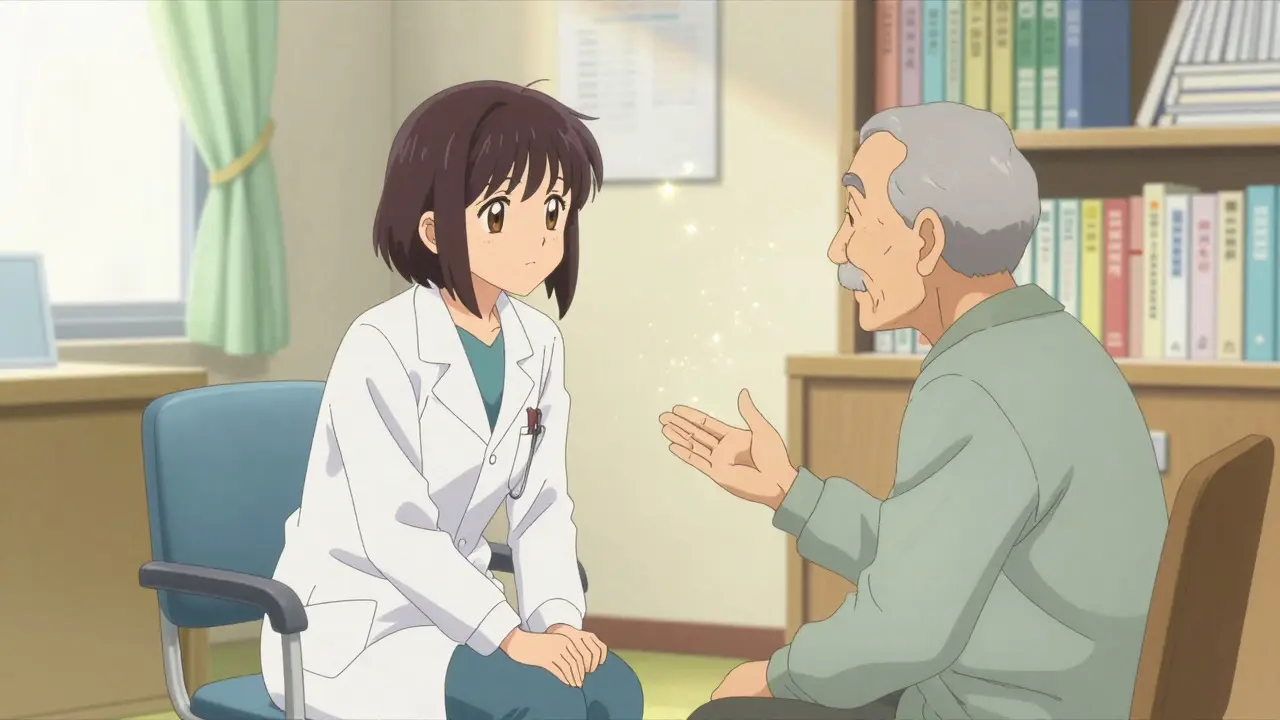
Imagine a doctor who doesn't just look at your chart but asks you to tell them the story behind your pain. That is the core of Narrative Medicine, an approach that treats patient stories as vital diagnostic tools rather than background noise. It was pioneered by Rita Charon, a physician and literary scholar who launched the program at Columbia University in 1996. The goal is simple yet profound: when patients feel heard, they accept their diagnoses and treatments more readily. This article breaks down how this method works, why it matters for both doctors and patients, and what the latest research says about its impact on healthcare outcomes.
What Is Narrative Medicine?
Narrative medicine is an interdisciplinary field that combines humanities, arts, and clinical practice to improve healthcare through storytelling. It is not just about being nice; it is a structured discipline. Charon defined it in her seminal 2001 JAMA article as requiring "narrative competence," which means the ability to acknowledge, absorb, interpret, and act on the stories of others. Think of it as teaching doctors to read people the way they read medical texts-looking for metaphors, silences, and underlying themes.
The field rests on four key capacities:
- Attention: Listening deeply without interrupting.
- Representation: Helping patients articulate their experience clearly.
- Affiliation: Building a connection between provider and patient.
- Creativity: Finding new ways to understand complex situations.
Unlike traditional models that focus solely on symptoms, narrative medicine views the patient’s life context as essential to treatment. If a patient struggles to accept a chronic condition, it might be because their story doesn’t fit into the standard medical narrative. By bridging that gap, clinicians foster genuine acceptance.
How Stories Influence Acceptance of Treatment
Why does telling a story help someone accept a difficult diagnosis? Human beings are wired for narrative. We make sense of chaos by turning events into plots with beginnings, middles, and ends. When a health crisis hits, that plot is disrupted. Narrative medicine helps patients rewrite or reinterpret that plot so it includes their illness as part of their identity, not a total erasure of it.
Research from the VA Whole Health Library highlights that these sessions provide "concrete skills and strategies to help patients make meaning" of their experiences. At institutions like the University of Kentucky, facilitators guide patients to reflect on their journey, helping them "reconcile your diagnosis and recover mentally." This process reduces the isolation that often amplifies anxiety and trauma. When patients feel less alone in their suffering, resistance to treatment drops significantly.
For providers, the dynamic is similar. Doctors also need to accept the complexity of their patients’ lives. A 2023 study in The Permanente Journal found that over 50% of pediatric residents showed signs of burnout. Narrative medicine interventions helped mitigate this by boosting empathy and self-compassion. When doctors are less burned out, they are better equipped to listen, which in turn improves patient trust and adherence to care plans.
The Core Methodologies: Reading, Writing, and Reflecting
You don’t need to be a novelist to practice narrative medicine. The methods are practical and accessible. Most programs, including Columbia’s, use three main techniques:
- Close Reading: Clinicians analyze short literary texts to sharpen their observational skills. This trains them to notice subtle cues in patient communication, such as tone shifts or unspoken fears.
- Reflective Writing: Doctors write about their own encounters with patients. This helps them process emotional weight and identify blind spots in their clinical reasoning.
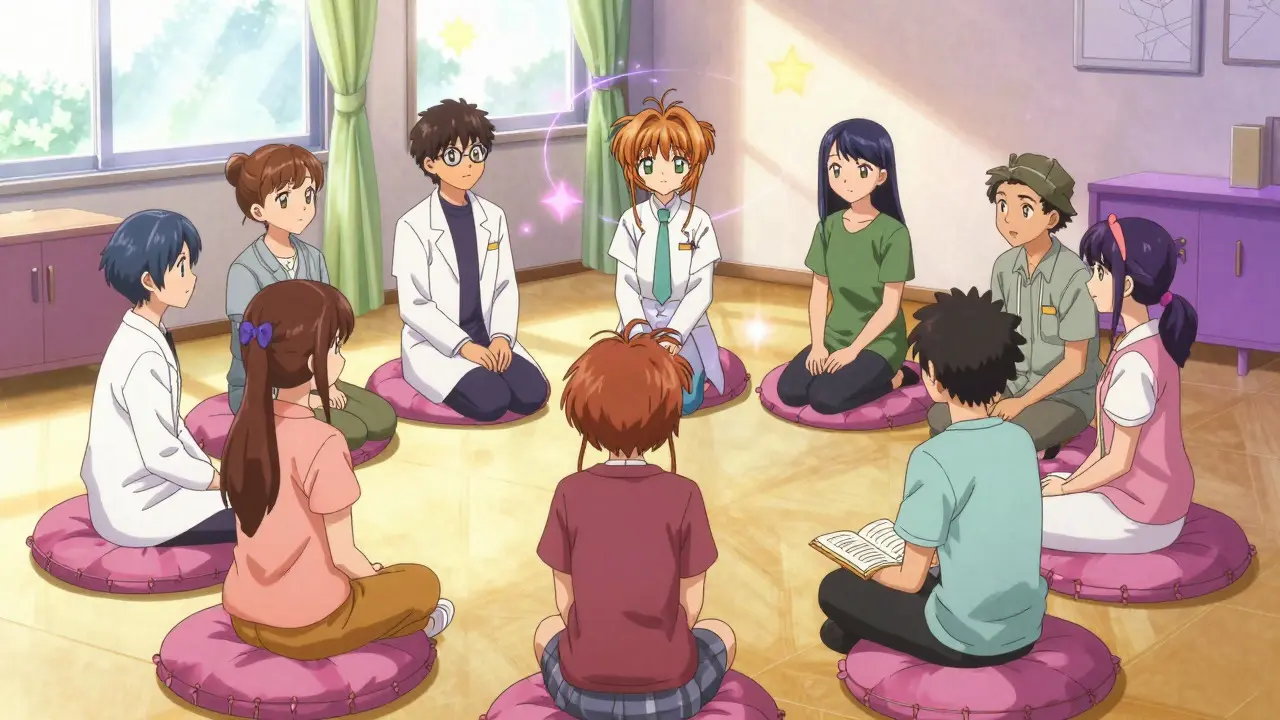
- Facilitated Group Discussions: Small groups share experiences under the guidance of a trained facilitator. These sessions, often lasting 60 to 90 minutes, create a safe space for peers to discuss challenging cases.
These exercises build what Charon calls "narrative competence." It is a skill set that can be learned and refined, much like learning to perform a physical exam. The more you practice listening to stories, the better you become at interpreting them.
Implementation in Clinical Settings
How does this look in a real hospital? At UK HealthCare, narrative medicine sessions are integrated into patient care. Facilitators sit with patients, asking them to share their experiences of illness, sources of strength, and hopes for the future. The focus is on attentive listening. Patients report feeling "heard and noticed," which is crucial for engagement.
For medical students, the training is mandatory at many leading institutions. Columbia University requires all first-year medical students to take seminars covering topics from memoir writing to medical journalism. This early exposure ensures that empathy is baked into their professional identity before they ever see a patient independently.
Implementation challenges do exist. Some clinicians view narrative approaches as a distraction from "real" science. However, evidence suggests otherwise. By improving communication, narrative medicine actually enhances clinical efficiency. Misunderstandings drop, follow-up appointments are kept more reliably, and patients are less likely to seek conflicting opinions elsewhere.
| Feature | Traditional Model | Narrative Medicine Model |
|---|---|---|
| Primary Focus | Symptoms and pathology | Patient experience and meaning |
| Communication Style | Information transfer (doctor to patient) | Collaborative dialogue (two-way exchange) |
| Role of Emotion | Often minimized or ignored | Central to diagnosis and treatment |
| Outcome Goal | Disease cure or management | Whole-person well-being and acceptance |
| Clinician Skill Set | Technical proficiency | Technical proficiency + narrative competence |
Why It Matters for Healthcare Justice
Narrative medicine isn’t just about individual comfort; it has systemic implications. Marginalized groups often face barriers to care due to cultural misunderstandings or bias. By prioritizing the patient’s voice, narrative medicine helps expose these structural issues. Columbia’s division explicitly links the field to "health care justice," aiming to expand equity in systems of care.
When a clinician understands the social context of a patient’s illness-such as food insecurity or housing instability-they can tailor treatment plans that are actually feasible. This leads to higher acceptance rates because the plan fits the patient’s reality. It moves healthcare from a one-size-fits-all model to a truly person-centered one.
Frequently Asked Questions
Is narrative medicine only for mental health patients?
No. While it is powerful in psychiatry and oncology, narrative medicine applies to all specialties. Whether treating diabetes, heart disease, or acute injuries, understanding the patient’s story helps ensure they adhere to long-term management plans and feel supported throughout their care journey.
How long does it take to learn narrative medicine skills?
Basic skills can be developed through short workshops, but true narrative competence takes time. Medical schools often integrate it over several years. Regular reflective writing and peer discussions are key to maintaining and deepening these abilities over a career.
Does narrative medicine replace traditional evidence-based practice?
No, it complements it. Evidence-based practice tells you what treatment is most effective statistically. Narrative medicine helps you apply that treatment effectively to a specific human being. Both are necessary for optimal outcomes.
Who are the key figures in this field?
Rita Charon is the founder and most prominent figure, having established the field at Columbia University. Craig Irvine, PhD, co-founded the Master's program there. Other contributors include researchers at the University of Kentucky and various VA facilities who have adapted the methods for veteran care.
Can patients benefit from narrative medicine even if they aren't writers?
Absolutely. You do not need to be a writer. The process is about organizing thoughts and feelings, not producing literary art. Verbal storytelling, journaling, or even visual arts can serve as valid forms of expression in these sessions.