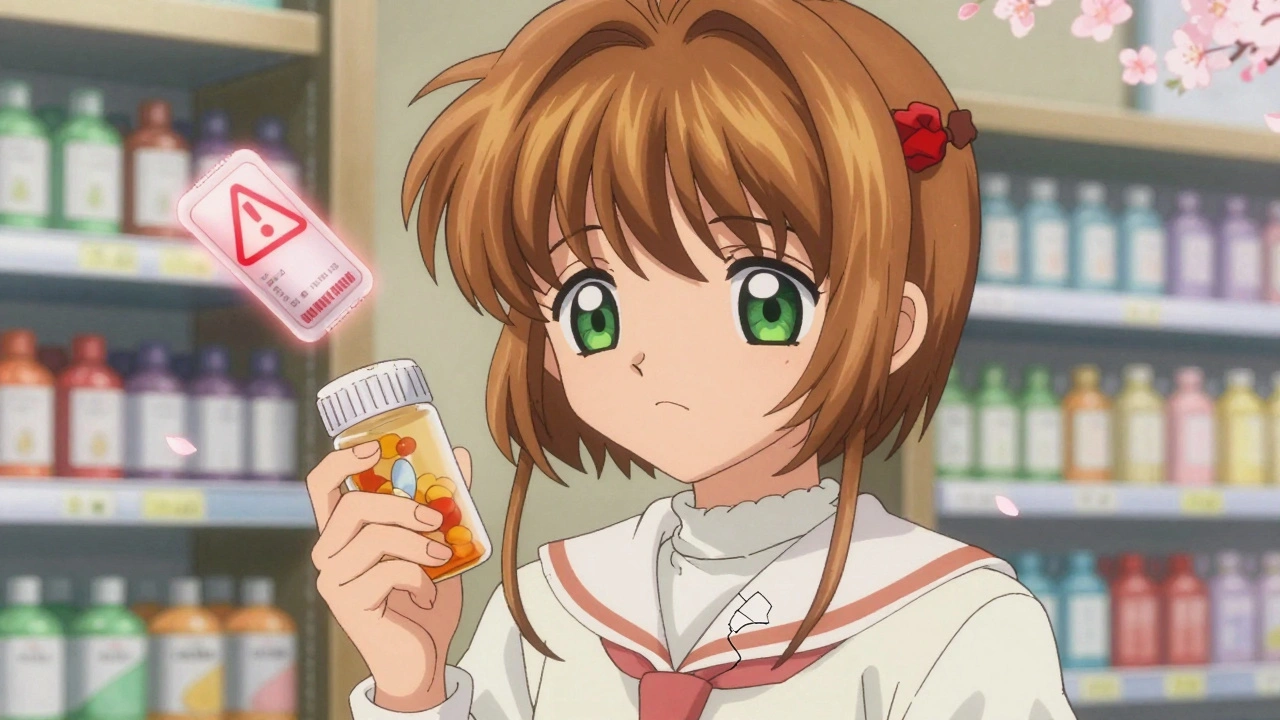
Every year, millions of people around the world take medicine they think is real-only to find out too late it’s fake. These aren’t just poorly made copies. They’re dangerous. Some contain no active ingredient at all. Others have the wrong dose, toxic chemicals, or even rat poison. And they’re easier to get than you think. The World Health Organization says 1 in 10 medicines in low-income countries are counterfeit. In some places, it’s as high as 3 in 10. Even in the UK and US, where regulations are strong, fake drugs still slip through-especially when bought online. The scary part? You don’t need to be in a remote village to be at risk. You just need to click a link that looks legit.
What Exactly Is a Counterfeit Medicine?
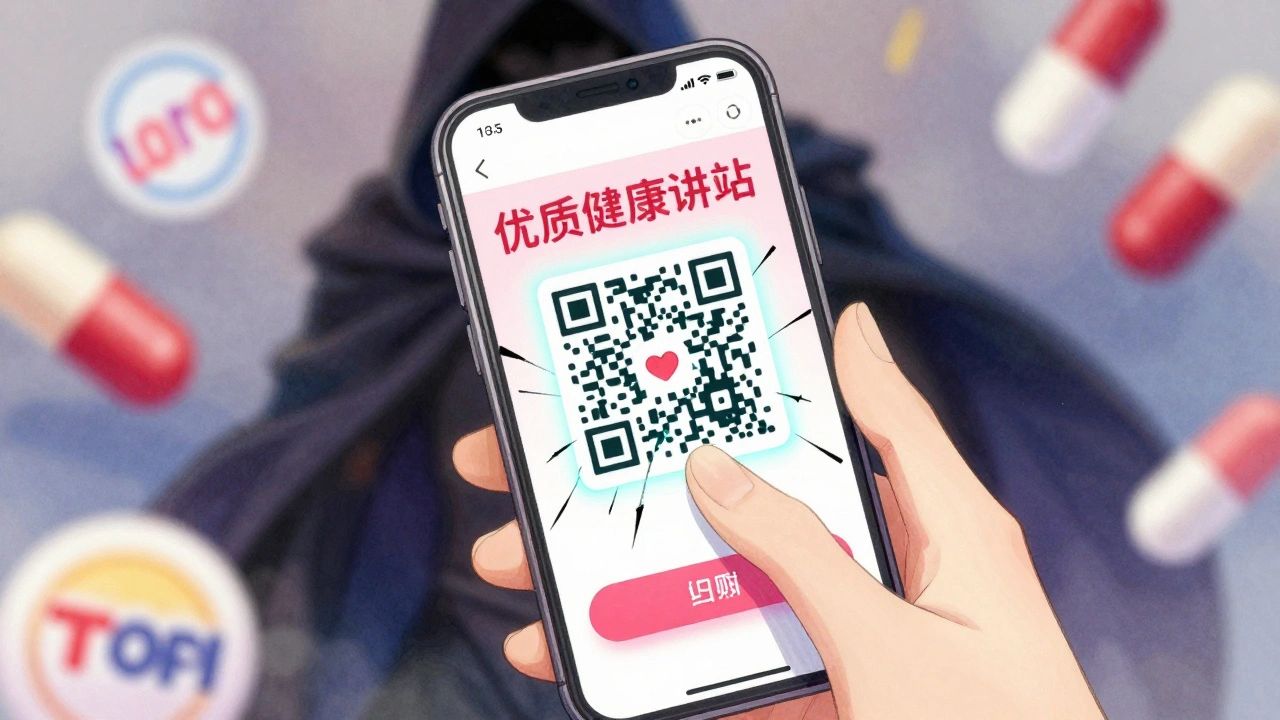
A counterfeit medicine isn’t just a knockoff. It’s any product that’s deliberately mislabeled. It might say it’s Pfizer’s blood pressure pill, but inside? It’s flour, chalk, or worse. These fake drugs are made to look real-same color, same shape, same packaging. Some even have fake serial numbers and QR codes. They’re sold on fake websites, social media ads, or even by people posing as pharmacists. The goal? To trick you into thinking it’s safe. The result? Hospitalizations, organ failure, or death.
The real danger isn’t just the medicine itself. It’s the silence around it. Most people don’t know what to look for. They assume if it looks right, it is right. But counterfeiters are getting smarter. In 2023, the WHO reported that 73% of fake pills now pass basic visual checks. That means you can’t just glance at the box and feel safe. You need to know what to check-and how.
How to Spot a Fake Medicine: The BE AWARE Checklist
There’s no magic app or scanner that catches every fake. But there’s a simple, proven method called BE AWARE, developed by the World Health Professions Alliance. It’s not complicated. You don’t need a degree in medicine. Just take five seconds before you swallow anything.
- B-Check the packaging. Is the box cracked? Are the colors faded? Is there a typo? Fake medicines often have misspelled words, blurry logos, or mismatched fonts. Even small errors like a misplaced comma on the label are red flags.
- E-Look at the expiration date. Is it faded? Is it stamped over an old date? Legitimate medicines have clear, laser-printed dates. Counterfeiters often reuse old packaging or print dates poorly.
- A-Check the appearance of the pill. Compare it to a previous batch you’ve taken. Is the color different? Is the imprint (the letters or numbers on the pill) lighter or off-center? Even a slight change in shape or texture can mean it’s fake.
- A-Verify the seal. Does the blister pack have a tamper-evident seal? Does the bottle cap have a safety ring? If it’s loose, broken, or missing, don’t take it. The EU Falsified Medicines Directive requires this on all prescription drugs since 2019.
- R-Check for a unique identifier. Since 2019, every prescription medicine sold in the EU has a 2D barcode or serial number. Pharmacies scan it to verify authenticity. If you’re in the UK or Europe, ask your pharmacist to scan it. You can also use the WHO’s free Medicines Safety app to check if the number matches their database.
- E-Examine the leaflet. Is it in your language? Is it full of errors? Fake medicines often come with poorly translated instructions or no leaflet at all. France started using QR codes in 2024 that link to digital leaflets-so if your medicine has one, scan it. If it doesn’t work, or takes you to a strange website, walk away.
This isn’t guesswork. A 2022 study found that people who followed these steps caught 70-80% of counterfeit medicines before taking them. That’s not perfect-but it’s enough to save lives.
Where Fake Medicines Come From-and How to Avoid Them
Most fake drugs don’t show up in your local pharmacy. They come from the internet. Pfizer’s 2023 report says 89% of counterfeit exposures happen through online sources. That means if you’re buying pills from a website that doesn’t end in .pharmacy, you’re playing Russian roulette.
In the US, only pharmacies with the NABP’s Verified Internet Pharmacy Practice Sites (VIPPS) seal are allowed to sell online. In the UK, look for the GPhC logo and a physical address you can verify. If a site offers pills at 80% off, it’s fake. If it doesn’t ask for a prescription, it’s fake. If it ships from a country you’ve never heard of, it’s fake.
Even social media is a growing threat. Instagram and Facebook ads now sell fake weight-loss pills, erectile dysfunction drugs, and even insulin. The FDA found that 11% more fake drugs were sold through social media in 2023 than in 2022. People trust influencers. But influencers don’t check the source. They just post a link.
Real pharmacies don’t need to be flashy. They don’t need to offer “free shipping” or “no prescription needed.” They just need to be licensed. If you’re unsure, call your local pharmacy. Ask them if they’ve heard of the site. Most will tell you it’s a scam.
What Happens When You Report a Fake
Reporting a fake medicine isn’t just about protecting yourself. It’s about stopping a criminal network.
Pfizer says its 2023 consumer report program led to 217 counterfeit interdictions across 116 countries. That’s 3.2 million potentially harmful doses stopped. In Brazil, a woman named Maria Silva noticed her father’s diabetes pills looked different. The imprint was fainter. She took a photo and sent it to ANVISA, Brazil’s health regulator. They traced it back to a warehouse in São Paulo. The shipment was seized. Dozens of other patients were warned.
Don’t throw it away. Don’t ignore it. Report it. In the UK, contact the MHRA’s Yellow Card scheme. In the US, use the FDA’s MedWatch portal. In the EU, your pharmacy can file a report for you. Even one report can trigger a full investigation. Fake medicine networks rely on silence. Your voice breaks it.
Why Technology Isn’t Enough
You’ve probably heard about serialization, QR codes, and blockchain. These are great tools. The EU’s system scans every pill box. France’s digital leaflets make forgery harder. But here’s the truth: technology can’t replace you.
Counterfeiters have cracked some of these systems. In 2023, INTERPOL found 3D-printed fake packaging that passed scanner checks in 12% of tests. That means a machine might say it’s real-while you’re holding something dangerous. Only you can notice the smell, the texture, the way the pill dissolves.
And not everyone has access to tech. In rural parts of Africa and Southeast Asia, 30% of medicines are fake. But only 29% of patients there know how to check for serial numbers. The WHO says if you rely only on tech, you’re leaving millions behind. Vigilance isn’t optional. It’s the last line of defense.
What You Can Do Today
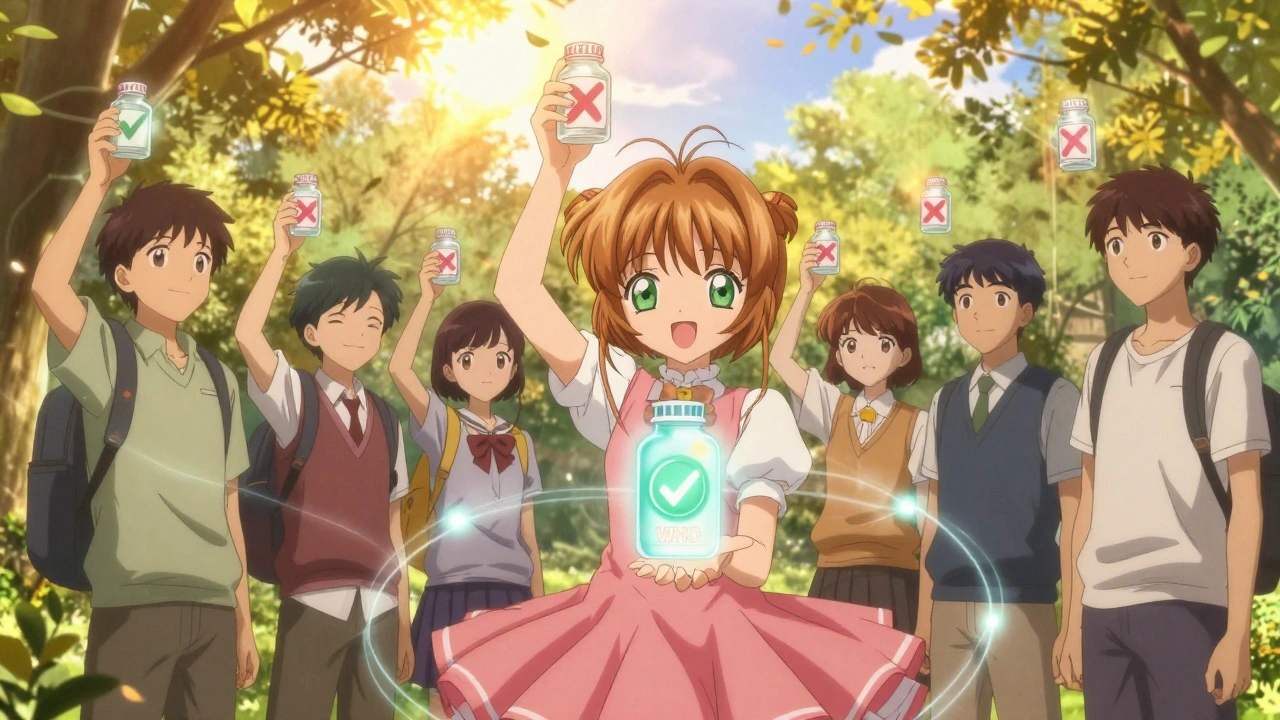
You don’t need to be an expert. You just need to be careful.
- Only buy from licensed pharmacies-online or in person. Look for the official seals.
- Always check packaging, expiration dates, and pill appearance. Use BE AWARE.
- Never buy from social media, marketplaces, or sites without a .pharmacy domain.
- Ask your pharmacist to scan your prescription medicine if it has a barcode.
- Download the WHO Medicines Safety app. It’s free and works offline.
- If something feels off-report it. Even if you’re not sure.
It’s not about being paranoid. It’s about being informed. Fake medicines don’t care if you’re rich or poor, young or old. They only care if you’re paying attention. And right now, most people aren’t.
What’s Changing in 2025
Things are getting better-but slowly. Brazil’s digital verification system, launched in June 2024, saw 63% of users check their meds in the first three months. India’s blockchain pilot lets you trace a pill from factory to pharmacy. Pfizer says by 2027, 95% of prescription drugs will have consumer-verification features built in.
But here’s the catch: these systems only work if you use them. A QR code won’t help if you don’t scan it. A serial number won’t matter if you don’t know what to do with it. The real change doesn’t come from new tech. It comes from you learning to look.
Start today. Next time you pick up a prescription, pause. Look. Check. Ask. That one moment might save your life-or someone else’s.
Emily Haworth
December 12, 2025 AT 05:48Tyrone Marshall
December 13, 2025 AT 21:55Keasha Trawick
December 15, 2025 AT 08:35Sheldon Bird
December 16, 2025 AT 11:28Tom Zerkoff
December 17, 2025 AT 17:29Alvin Montanez
December 18, 2025 AT 01:06Donna Hammond
December 18, 2025 AT 21:48Karen Mccullouch
December 19, 2025 AT 19:20Yatendra S
December 20, 2025 AT 05:11Willie Onst
December 21, 2025 AT 02:00Michael Gardner
December 23, 2025 AT 01:52