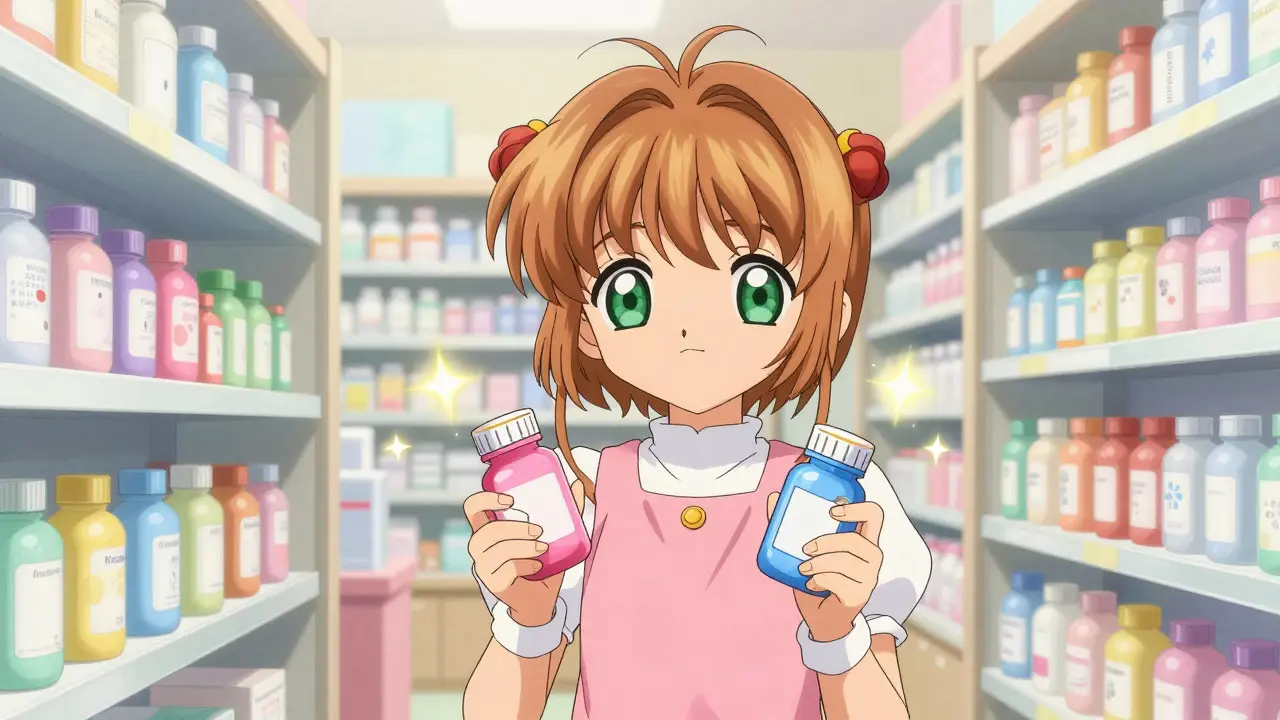
Imagine a child asking why their asthma inhaler looks different from the one their friend uses. Or perhaps they wonder why the box for their allergy medicine costs less than the brand-name version at the pharmacy counter. These are not just questions about price; they are opportunities to build trust and understanding around generic drugs, which are medications that contain the same active ingredients as brand-name drugs but are sold under different names and usually cost less. In the realm of pediatric education, specifically focused on teaching children about medication safety and substance abuse prevention, explaining generics is often overlooked. Yet, it is a critical piece of the puzzle. When children understand what goes into their medicine, they become partners in their own care rather than passive recipients.
The Core Concept: What Are Generic Drugs?
To teach children about generics, adults first need to strip away the jargon. A generic drug is not a "copycat" or a "cheap knockoff." It is a scientifically identical twin to a brand-name drug. The Food and Drug Administration (FDA), the U.S. government agency responsible for protecting public health by ensuring the safety of drugs, requires that every generic drug has the same active ingredient, strength, dosage form, and route of administration as its brand-name counterpart. The only differences might be the color, shape, or inactive ingredients like flavorings or fillers.
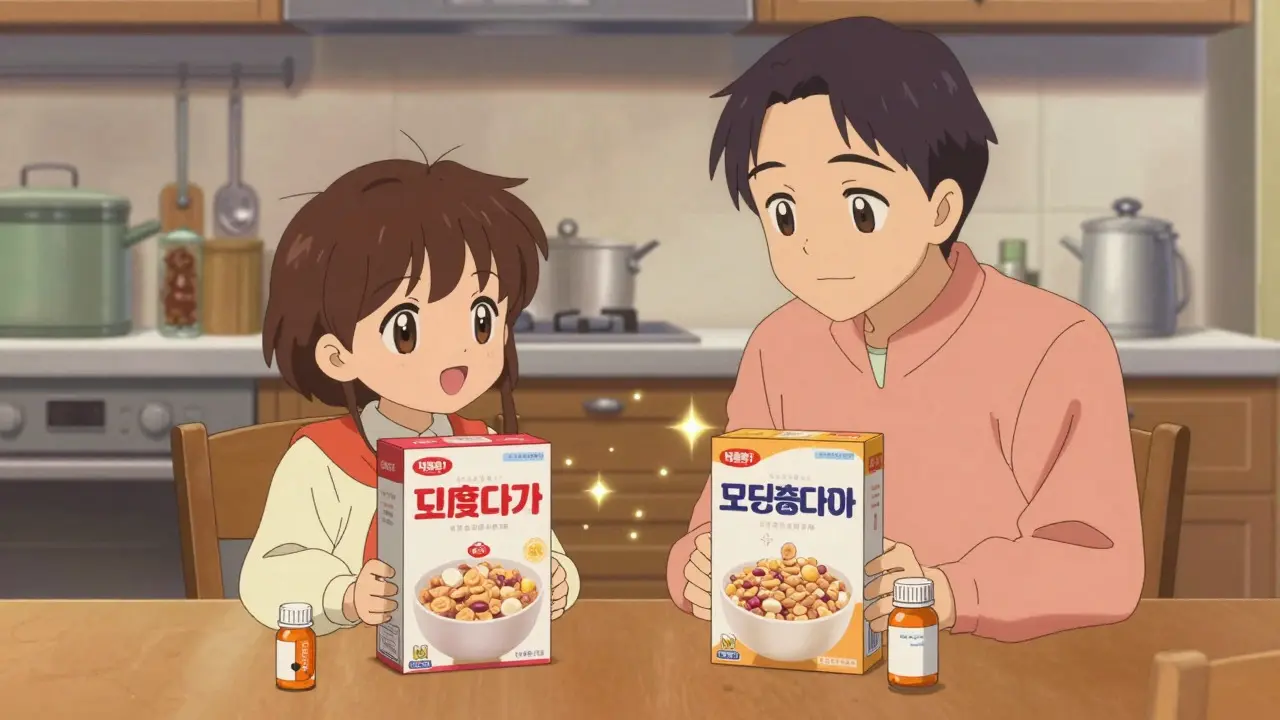
Think of it like cereal. You can buy a famous brand of oatmeal, or you can buy the store-brand oatmeal. The oats inside are the same. They cook the same way. They taste nearly identical. The box just looks different, and the price tag is lower. For a child, this analogy makes the abstract concept of pharmaceutical chemistry concrete and relatable. By focusing on the function of the medicine rather than the brand, we reduce anxiety and confusion when prescriptions change.
Why Early Education Matters
Most people assume that teaching kids about medicine means warning them against street drugs or accidental poisoning. While those are vital components of substance abuse prevention, which involves programs designed to stop the use of illicit substances through early intervention and education, there is a gap in discussing prescribed medications. According to data from the National Institute on Drug Abuse (NIDA), an federal research institute dedicated to studying the public health problem of drug abuse, effective education must provide factual information without exaggeration. If a child believes that all pills are "bad" because they hear scary stories about addiction, they may resist taking necessary life-saving medications like insulin or antibiotics.
Teaching about generic drugs helps normalize the presence of medicine in daily life. It demystifies the process. When a child knows that their new blue pill works exactly like the old white pill, they are less likely to refuse it due to fear of the unknown. This builds a foundation of medical literacy that lasts a lifetime. Furthermore, understanding that generics are safe and approved reduces the stigma sometimes associated with using "non-premium" healthcare options, fostering a mindset of practical, evidence-based decision-making.
Age-Appropriate Strategies for Teaching Generics
One size does not fit all when it comes to pediatric communication. The approach must shift as the child develops cognitively. Here is how to break it down by age group:
- Preschoolers (Ages 3-5): Focus on routine and appearance. Use simple language like, "This medicine helps your tummy feel better. It tastes like cherry, just like before, even though the bottle is a different color." Avoid complex explanations. The goal is comfort and compliance.
- School-Age Children (Ages 6-11): Introduce the concept of "same inside, different outside." Use the cereal analogy mentioned earlier. You can show them two different boxes of vitamins or pain relievers (like acetaminophen) and point out that the main helper ingredient is the same. Programs like Generation Rx, which offers free educational resources for medication safety reaching over 1 million students annually, provide activities that target this exact age group, helping them distinguish between safe medicines and unsafe substances.
- Tweens and Teens (Ages 12-17): Dive deeper into science and economics. Explain how patents work and why generic drugs make healthcare affordable. Discuss bioequivalence-the scientific term meaning the generic performs similarly in the body to the brand name. At this stage, critical thinking is key. Encourage them to ask their pharmacist questions. This aligns with high school curricula like the Drug Policy Alliance's 'Safety First', a comprehensive program developed in 2017 with 15 lessons for 9th or 10th graders, which emphasizes honest, factual discussions about health choices.
Bridging the Gap Between Brand and Generic
A common source of conflict arises when a doctor switches a patient from a brand-name drug to a generic, or vice versa. Parents might worry about efficacy, and children might notice the change in packaging or taste. This is where proactive education pays off. If a child already understands that the "helper molecule" inside the pill hasn't changed, the transition is smoother.
Consider the case of ADHD medications. Many teens take stimulants like methylphenidate. If their insurance changes and they receive a generic version, some report feeling different effects. While often a placebo effect, these feelings are real to the child. By having prior conversations about how bodies react differently to inactive ingredients (fillers), parents can validate the child's experience while reinforcing that the medicine is still safe and effective. This prevents the child from stopping medication abruptly, a dangerous behavior that contributes to poor health outcomes.
The Role of Pharmacists and Healthcare Providers
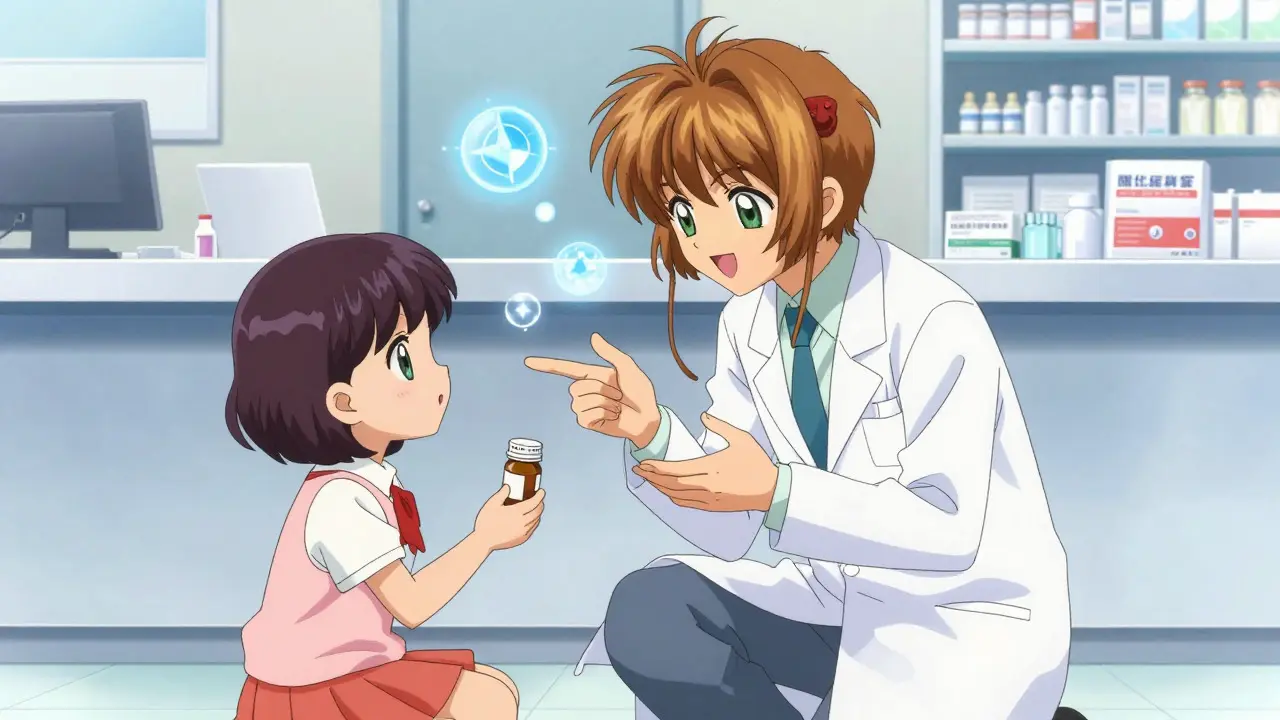
Parents are not alone in this task. Pharmacists are accessible experts who can reinforce these messages. When picking up a prescription, encourage your child to interact with the pharmacist. Ask the pharmacist to explain, "Does this new medicine work the same way as the last one?" Hearing the answer directly from a trusted professional adds credibility. Studies show that interactive delivery methods, such as those recommended by the Alcohol and Drug Foundation, which advocates for evidence-based program characteristics including trained facilitators and skill development focus, lead to significantly higher knowledge retention compared to passive lectures.
Healthcare providers should also be involved. During check-ups, doctors can briefly mention, "We’re switching to a generic version of this antibiotic. It’s the same medicine, just a different brand, and it will help fight your infection just as well." This triad of parent, provider, and pharmacist creates a consistent message network that supports the child’s understanding.
Addressing Misconceptions and Stigma
Some children pick up societal biases. They might think that because a drug is cheaper, it is "worse" or "for poor people." This misconception needs gentle correction. Explain that generic drugs undergo rigorous testing. The FDA ensures that they meet strict quality standards. In fact, many doctors prefer generics because they allow patients to save money without sacrificing health. Framing generics as a smart, informed choice rather than a compromise empowers children. It teaches them that value is determined by science and results, not marketing budgets.
Additionally, clarify the difference between generic prescription drugs and over-the-counter (OTC) alternatives. Sometimes, a generic OTC pain reliever is chemically identical to a brand-name prescription. Understanding this overlap helps children see the broader picture of how medicines work in society. It encourages curiosity and questions, which are the hallmarks of a healthy, engaged young mind.
Practical Tips for Parents and Educators
Implementing this education doesn’t require a formal classroom setting. It happens in everyday moments. Here are some actionable steps:
- Read Labels Together: When buying OTC meds, look at the "Active Ingredients" section. Point out that both the expensive brand and the store brand list the same chemical name. This visual proof is powerful.
- Use Visual Aids: Keep a chart at home that lists the child’s medications, showing both the brand and generic names if applicable. Update it when prescriptions change.
- Encourage Questions: Create a safe space where kids can ask, "Why did my pill change color?" Answer honestly and simply. If you don’t know, say, "Let’s ask the pharmacist together." This models lifelong learning.
- Leverage Free Resources: Utilize toolkits from organizations like Generation Rx or NIDA. They offer free, age-appropriate lesson plans and activities that make learning about medication safety engaging and fun.
Conclusion: Building a Foundation for Health Literacy
Teaching children about generic drugs is more than just explaining a billing code or a pharmacy label. It is about building trust in the healthcare system and empowering young people to take charge of their well-being. By demystifying the difference between brand-name and generic medications, we remove barriers to adherence and reduce unnecessary anxiety. We equip them with the knowledge to navigate a complex world of health products critically and confidently. As we continue to advance pediatric education programs, integrating clear, factual information about generics alongside broader topics like medication safety and substance abuse prevention will ensure that the next generation is not only healthier but also more informed and resilient.
What is the main difference between a generic drug and a brand-name drug?
The main difference is the price and the branding. Generic drugs contain the same active ingredient, strength, and dosage form as brand-name drugs. They must meet the same quality standards set by the FDA. The only visible differences may be in color, shape, or inactive ingredients like flavors or fillers.
Are generic drugs as safe and effective as brand-name drugs for children?
Yes. The FDA requires generic drugs to be bioequivalent to their brand-name counterparts, meaning they perform similarly in the body. They undergo rigorous testing to ensure safety and efficacy for all age groups, including children.
How do I explain generic drugs to a preschooler?
Keep it simple. Focus on the result. Say something like, "This medicine helps your cough go away. It tastes sweet, just like the last one, even though the bottle looks different." Avoid complex details about ingredients or costs.
Why do some children resist taking generic medications?
Children may resist due to changes in appearance (color/shape) or taste caused by different inactive ingredients. Sometimes, they associate the brand name with familiarity and trust. Explaining that the "helper" inside is the same can alleviate this fear.
Where can parents find free resources to teach medication safety?
Organizations like Generation Rx and the National Institute on Drug Abuse (NIDA) offer free, evidence-based educational materials and lesson plans tailored for different age groups. These resources cover medication safety, proper usage, and general health literacy.