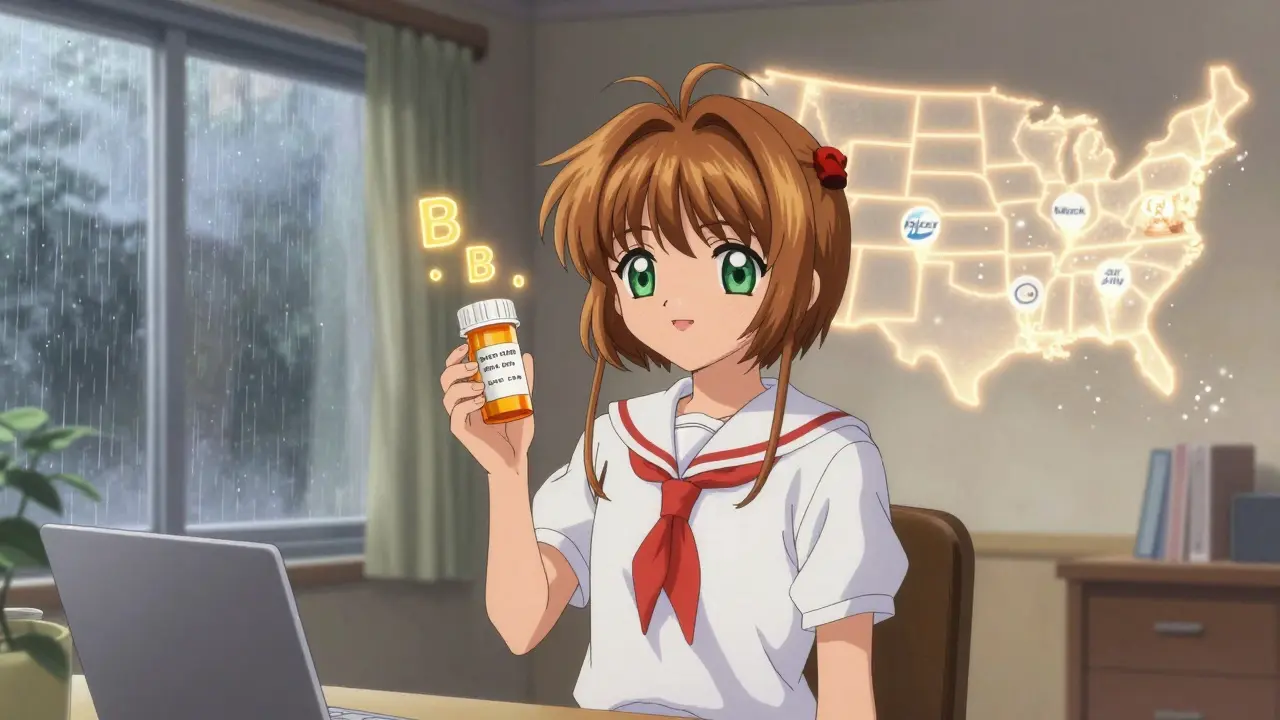
Getting prescribed a life-changing medication shouldn’t mean choosing between paying rent or filling your prescription. Yet for millions, that’s the reality. That’s where prescription assistance programs come in - direct help from drug manufacturers to keep medications within reach. These aren’t charity handouts or government subsidies. They’re structured programs run by companies like Pfizer, Merck, and Eli Lilly to help people who can’t afford their prescriptions. And they’re bigger than most people realize.
Two Types of Help: Copay Cards vs. Patient Assistance Programs
There are two main ways drug makers help patients: copay assistance programs and Patient Assistance Programs (PAPs). They sound similar, but they’re built for very different situations.Copay assistance is for people who have insurance but still struggle with out-of-pocket costs. Think deductibles, copays, or coinsurance. If your insurance covers a brand-name drug but you’re stuck paying $300 a month, a copay card can cut that down to $10 or $20. These cards work like coupons - you show them at the pharmacy, and the manufacturer pays the rest. They’re most common for specialty drugs like those for diabetes, rheumatoid arthritis, or asthma. In fact, 85% of specialty medications now offer some kind of copay support.
Patient Assistance Programs (PAPs), on the other hand, are for people without insurance or those with very limited coverage. If you make less than 400% of the federal poverty level - about $60,000 a year for a family of four - you might qualify for free or nearly free medication. PAPs don’t require insurance. You apply directly, submit proof of income, and if approved, the drug is shipped to you or handed out at a clinic. Some programs have been around since the 1980s, born out of the HIV/AIDS crisis when people couldn’t afford life-saving drugs.
Who Gets Help? The Rules Are Complicated
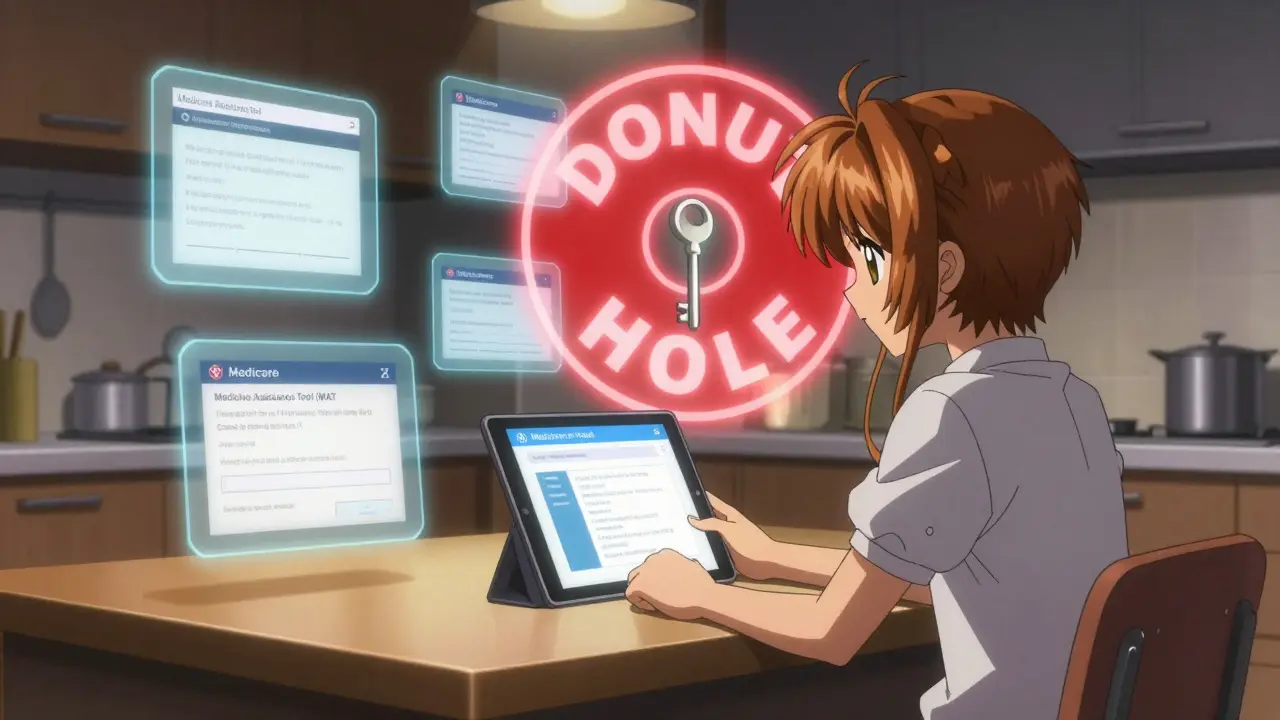
Not everyone who needs help can get it. And the rules change depending on where you live and what kind of insurance you have.Here’s the catch: if you’re on Medicare or Medicaid, your access to these programs shrinks dramatically. Many PAPs won’t help you if you have government insurance. Why? Because Medicare Part D doesn’t count PAP help toward your out-of-pocket costs. That means if you’re in the coverage gap - the infamous "donut hole" - getting free medication through a PAP doesn’t help you escape it faster. The system is designed so that PAPs operate "outside" your Part D benefit, which can leave you stuck paying full price longer.
And if you have private insurance? Some plans now use "copay accumulator" programs. These block manufacturer coupons from counting toward your deductible. So even if you use a copay card, your out-of-pocket spending doesn’t move you closer to hitting your deductible. That’s a big deal. A 2023 report found 78% of major insurers use these programs. It’s like getting a discount, but the store says, "We won’t let you use it to lower your bill."
State laws are catching up. As of January 2024, 22 states have passed laws to limit or regulate copay assistance. California now requires drugmakers to report exactly how much they spend on these programs. Other states are banning them outright for Medicaid recipients. The goal? To push patients toward cheaper generics. But for many, there’s no generic alternative - and no backup.

How Much Help Are We Talking About?
The numbers are staggering. In 2022 alone, pharmaceutical companies provided $24.5 billion in patient assistance. That helped 12.7 million people get their medications. That’s more than the population of New York City.For some drugs, the savings are life-changing. Take Dulera, an asthma inhaler. Through Teva’s PAP, eligible patients pay as little as $15 per prescription - instead of $400. The maximum savings? $90 per prescription. For someone on a fixed income, that’s dozens of meals saved each year.
But here’s the dark side: these programs aren’t just helping people. They’re also keeping brand-name drugs on top. Studies show copay assistance leads patients to choose expensive brand drugs over cheaper generics - even when the generic works just as well. One JAMA Internal Medicine study estimated this added $1.4 billion to total drug spending in 2022. Drugmakers benefit because they keep market share. Patients benefit because they can afford their meds. But the system? It’s broken.
How to Find and Apply for Assistance
You don’t need a social worker to find help. There’s a free, easy tool called the Medicine Assistance Tool (MAT), run by PhRMA. It lets you search over 900 programs by drug name, income, and insurance status. It’s confidential, no login required.If you’re looking for copay assistance:
- Check your prescription label - many drugs have a phone number or website for copay cards right on the box.
- Ask your pharmacist. They often have samples or cards on hand.
- Use MAT to search for your drug. If a program exists, you’ll get a link to apply.
If you’re applying for a PAP:
- Confirm your income is below 400% of the federal poverty level (check the current numbers - they change yearly).
- Gather documents: recent pay stubs, tax returns, proof of residency, and a letter from your doctor confirming the drug is medically necessary.
- Fill out the application - it can take 45 to 60 minutes. Some programs require annual re-enrollment.
- Wait. Approval times vary. Some take weeks. Others, like for life-threatening conditions, move faster.
Pro tip: Don’t give up if you’re denied. Many programs have appeals. Call the manufacturer directly. Sometimes, a simple phone call can reopen your case.
The Hidden Problems: Awareness, Access, and Systemic Gaps
Only 37% of eligible patients even know these programs exist. That’s not because they’re hard to find - it’s because no one tells you about them. Your doctor might not mention it. Your insurance company won’t. And if you’re uninsured, you’re often too overwhelmed to look.There’s also a racial and economic disparity. People in rural areas, low-income neighborhoods, and communities of color are less likely to get help - not because they don’t qualify, but because they lack internet access, transportation, or time to navigate bureaucracy. The NIH calls this a "systemic gap." These programs help individuals, but they don’t fix the root problem: drug prices are still too high.
And here’s the worst part: if you’re uninsured and qualify for a PAP, you’re still not guaranteed help. Some programs require you to have no other prescription coverage - even if you’re on Medicaid. That’s right. You can’t get help from the drugmaker if you’re on government insurance, even if you’re still paying hundreds out of pocket.
What’s Next? More Help - or More Rules?
The market for these programs is growing fast. Analysts predict spending will hit $38 billion by 2027. More companies are launching them. More states are regulating them. The federal government is watching closely. In October 2023, HHS proposed new rules requiring drugmakers to report exactly how much they spend and who gets help.But here’s the question: should these programs be a temporary fix - or a permanent band-aid? If we keep relying on manufacturers to make drugs affordable, we’re ignoring the real issue: drug pricing is broken. These programs save lives today. But they don’t stop tomorrow’s price hikes.
For now, if you’re struggling to pay for your meds, don’t assume you’re on your own. Check MAT. Call your pharmacy. Ask your doctor. You might be eligible for more help than you think.
Katy Shamitz
March 9, 2026 AT 00:38Nicholas Gama
March 10, 2026 AT 11:24Mary Beth Brook
March 11, 2026 AT 18:49Neeti Rustagi
March 11, 2026 AT 21:02Dan Mayer
March 12, 2026 AT 16:13Janelle Pearl
March 14, 2026 AT 09:43Ray Foret Jr.
March 15, 2026 AT 13:11Samantha Fierro
March 16, 2026 AT 11:09Robert Bliss
March 17, 2026 AT 14:06Peter Kovac
March 17, 2026 AT 19:45APRIL HARRINGTON
March 19, 2026 AT 19:42Leon Hallal
March 19, 2026 AT 21:15Judith Manzano
March 20, 2026 AT 00:35rafeq khlo
March 21, 2026 AT 22:46