Heart Arrhythmia: Causes, Risks, and Medications That Affect Your Heart Rhythm
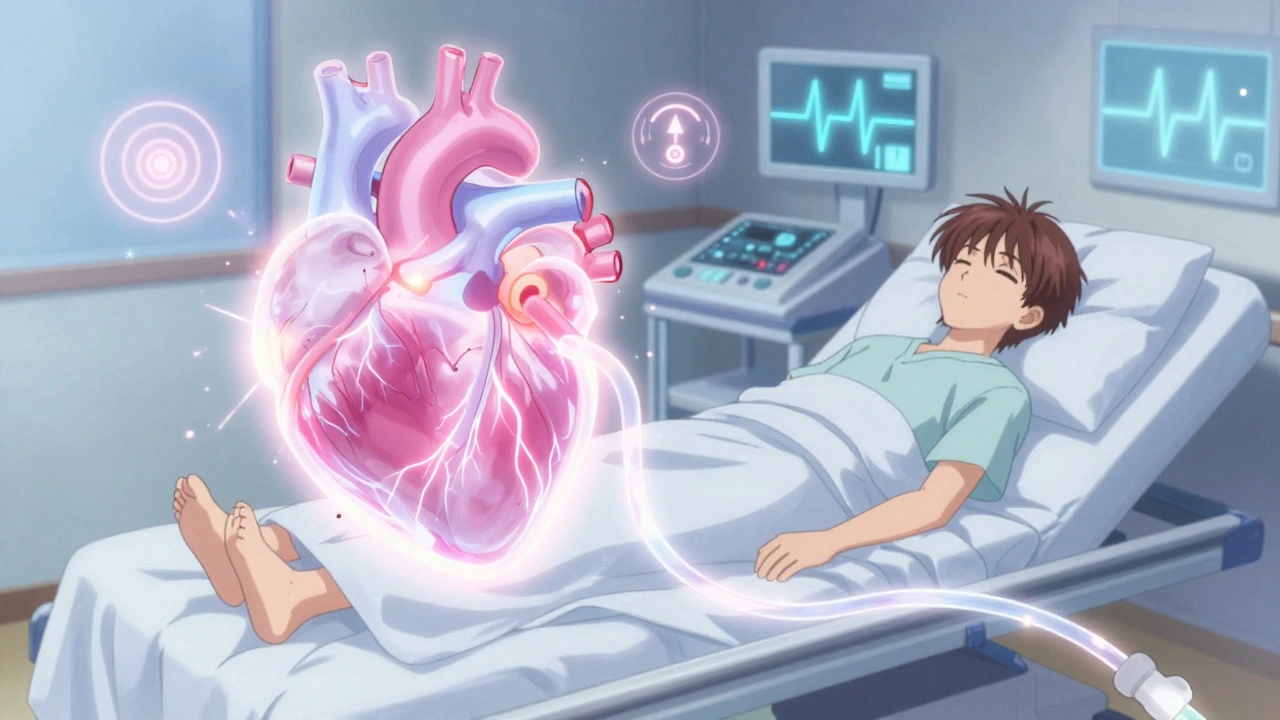
When your heart skips, races, or beats irregularly, you’re dealing with heart arrhythmia, an abnormal heart rhythm that can be harmless or life-threatening depending on the cause and underlying conditions. Also known as dysrhythmia, it’s not just something older adults worry about—it can strike anyone, especially when certain medications interfere with the heart’s electrical system. The problem isn’t always the arrhythmia itself, but what’s causing it. Many everyday drugs—like antibiotics, antidepressants, and even some stomach meds—can quietly disrupt your heart’s rhythm by prolonging the QT interval, a measurable phase in your heartbeat cycle. When that interval stretches too long, it opens the door to a dangerous rhythm called torsades de pointes, which can lead to sudden cardiac arrest.
One of the most common culprits is macrolide antibiotics, a class of drugs including azithromycin and clarithromycin, often prescribed for respiratory infections. While they’re effective against bacteria, they’re also linked to QT prolongation, especially in people with existing heart conditions, low potassium, or those taking other QT-prolonging drugs. Even more concerning? This risk isn’t always obvious. You might feel fine, but your heart’s electrical activity is quietly becoming unstable. Another hidden danger is cimetidine, a common acid reducer that can dangerously boost levels of antiarrhythmic drugs like dofetilide, turning a controlled treatment into a lethal combo. These aren’t rare edge cases—they’re documented, preventable events that happen because the interactions aren’t always flagged clearly at the pharmacy.
It’s not just about avoiding bad combos. Your genetics, age, kidney function, and even what you eat can change how your body handles these drugs. One person takes azithromycin and feels fine; another ends up in the ER. That’s why knowing your meds inside and out matters. Are you on a beta-blocker? Taking diuretics? Using a supplement like St. John’s wort? Each one tweaks the risk. The good news? You don’t need to guess. The posts below give you real, practical info: how to spot warning signs, which drugs to question, what questions to ask your pharmacist, and how to protect yourself when you’re on multiple prescriptions. You’ll find clear breakdowns of drug interactions, what doctors look for before prescribing, and what to do if you notice your heart acting up. This isn’t theory—it’s what you need to stay safe while taking the meds you’re prescribed.