How to Keep a Medication List for Safer Care and Fewer Errors
Learn how to maintain an accurate medication list to prevent errors. We cover essential details to include, the best formats to use, and maintenance tips for safer healthcare.
Acute Interstitial Nephritis: Drug Reactions and Recovery Pathways
Acute Interstitial Nephritis causes sudden kidney inflammation often triggered by common drugs like NSAIDs and PPIs. Learn how to spot symptoms, understand diagnosis via biopsy, and navigate recovery paths.
Travel Safety: Managing Medications and Side Effects Away from Home
Learn how to safely manage your medications while traveling, avoid legal trouble abroad, and prevent side effects from missed or degraded doses. Essential tips for domestic and international trips.
How to Manage Interactions When Starting a New Medication
Managing drug interactions when starting a new medication is critical to avoid serious side effects. Learn how to identify risks, what to ask your doctor, and how to monitor for warning signs-especially if you're on multiple drugs or over 65.
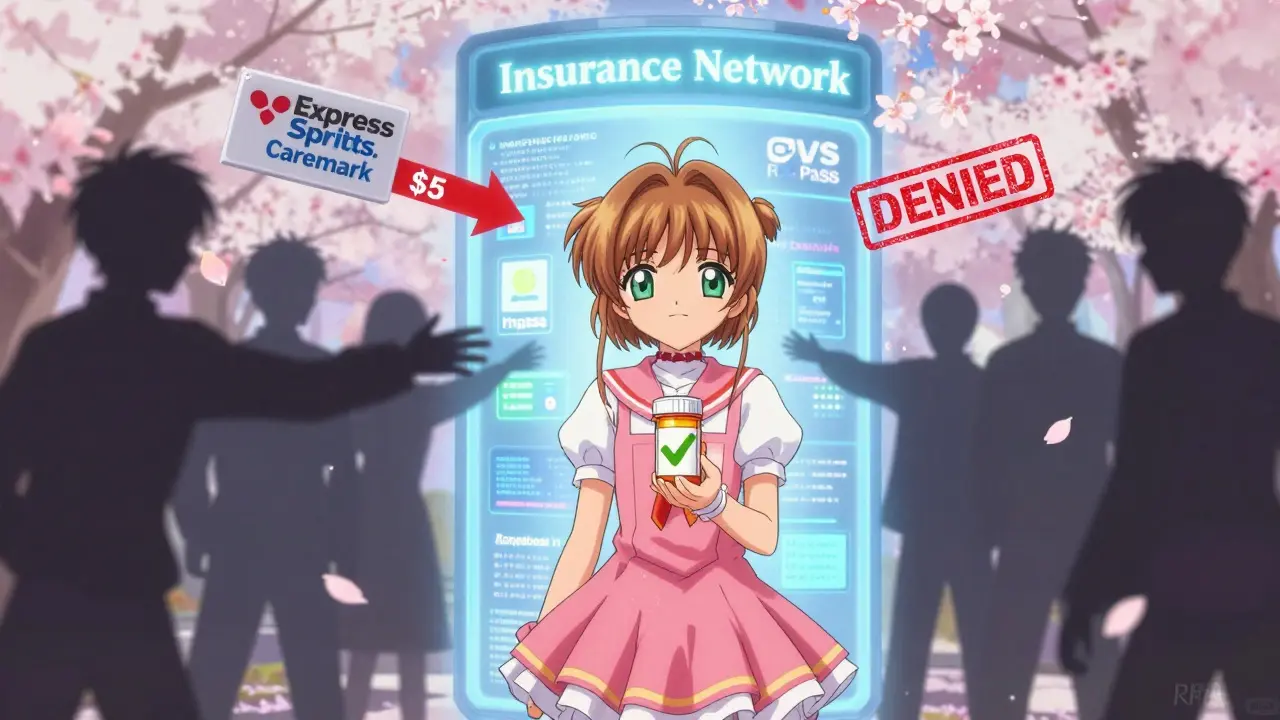
Insurance Coverage of Online Pharmacy Generics: What to Know in 2026
Understanding insurance coverage for online pharmacy generics is key to saving money on prescriptions. Learn how formularies, mail-order services, and independent pharmacies affect your costs - and what to do to avoid overpaying.
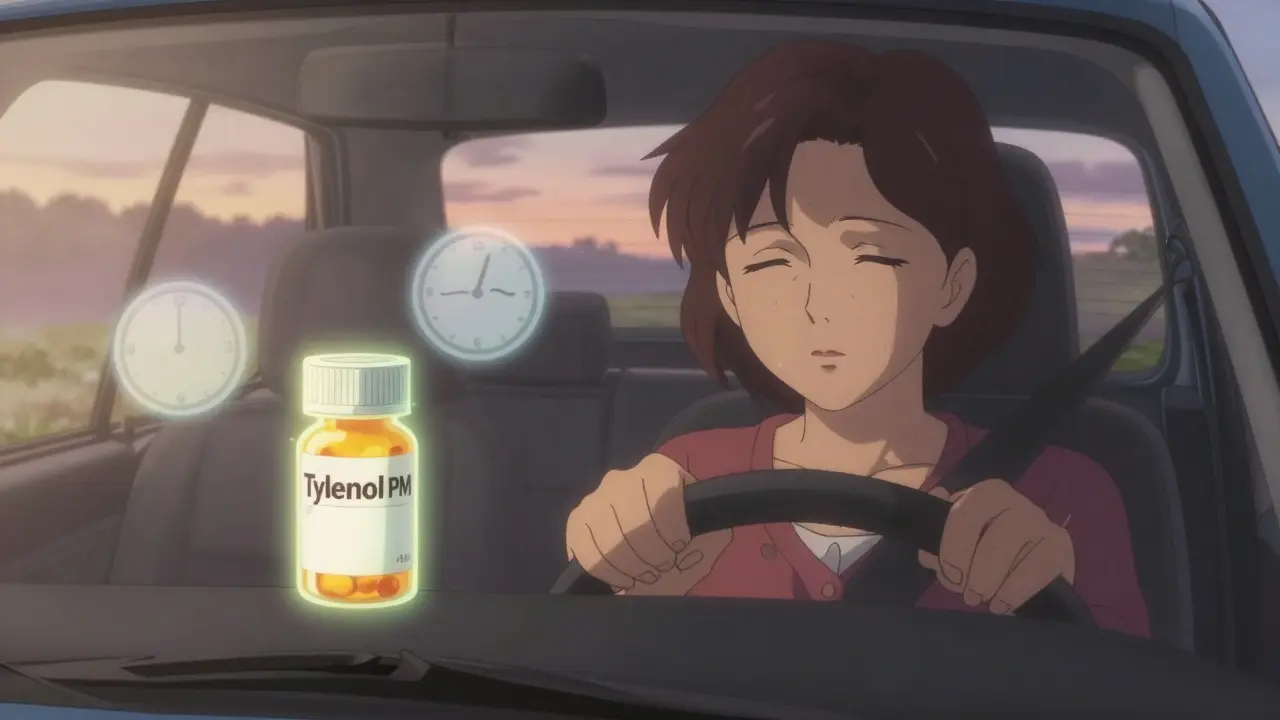
Medications and Driving: Impairment and Legal Consequences
Many medications - even common OTC pills - can impair driving as much as alcohol. Learn which drugs slow your reactions, the legal risks, and how to stay safe on the road.

Topical Medication Allergies: How to Spot and Treat Contact Dermatitis
Topical medication allergies can cause contact dermatitis - a worsening rash that mimics the original condition. Learn the most common culprits, how patch testing works, and how to find safe alternatives.
Prescription Assistance Programs: How Drug Manufacturers Help You Afford Medications
Prescription assistance programs from drug manufacturers help millions afford costly medications. Learn how copay cards and PAPs work, who qualifies, and the hidden rules that limit access - especially for those on Medicare or Medicaid.

How to Respond to a Suspected Overdose While Waiting for Help
Knowing how to respond to a suspected overdose can save a life. This guide covers the essential steps: checking responsiveness, calling 911, giving rescue breathing, using naloxone, and placing someone in the recovery position. No medical training required.
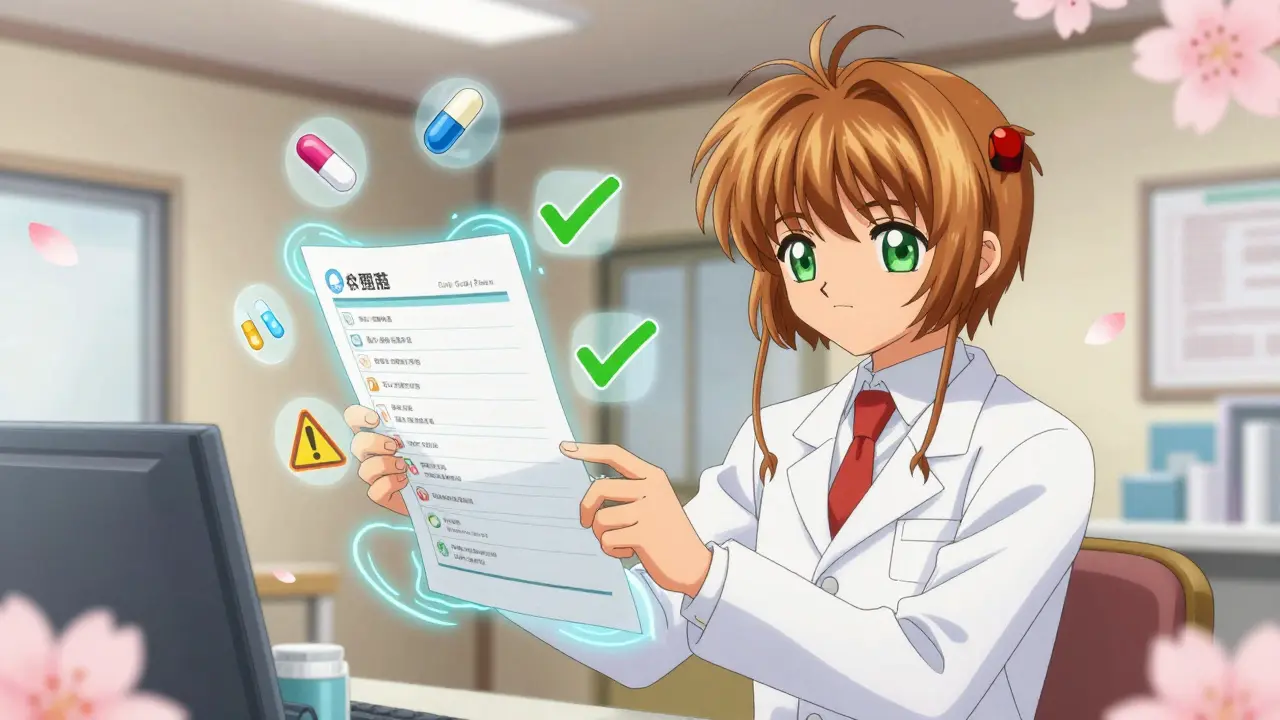
Pharmacist-Led Substitution Programs: How They Work and What They Achieve
Pharmacist-led substitution programs reduce medication errors, cut hospital readmissions by over 10%, and save thousands per patient. Learn how they work, who benefits most, and why they're now a standard in modern healthcare.

How to Avoid Overdose When Restarting a Medication After a Break
Restarting medication after a break can be deadly due to lost tolerance. Learn how to avoid overdose by starting at 25-50% of your old dose, using naloxone, avoiding other drugs, and always seeking medical supervision.
L-Tryptophan and Antidepressants: What You Need to Know About Serotonin Overlap and Risks
L-Tryptophan boosts serotonin-but combining it with antidepressants can cause dangerous serotonin overload. Learn the real risks, what science says, and who should never take it.